Pandora FMS Enterprise Overview | Total monitoring solution for full observability
Discover all the main features of Pandora FMS in this video demo.


The latest News and Information on Monitoring for Websites, Applications, APIs, Infrastructure, and other technologies.
Adoption of AWS Lambda functions in cloud-native applications has increased exponentially over the past few years. Serverless functions, such as the AWS Lambda service, provide a high level of abstraction from the underlying infrastructure and orchestration, given these tasks are managed by the cloud provider. Software development teams can then focus on the implementation of business and application logic.
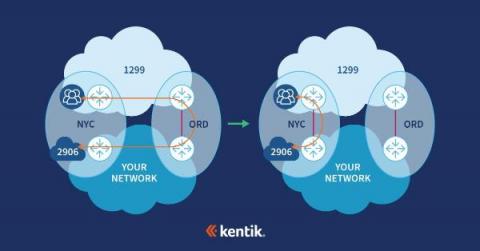
Peering is more than just setting up sessions with any AS that will accept one. Peering can involve long-term relationships that require reviews and joint-planning to grow synergy. A critical milestone in any peering relationship is the business review – and when it comes to business reviews, it’s all about preparation. So where to start?
The simple query service (SQS) was one of the first services AWS offered. It’s a managed queuing service that lets you take pressure from your downstream services. You put your items on the queue, and other services can pull them whenever they have the capacity to work on them. It’s a managed service, so you don’t have to install or maintain the software yourself; you just configure a queue and start pushing to and pulling from it. So SQS is very simple to get started with.
For this edition of my ongoing Grafana Loki how-to series, I wanted to offer up some helpful — and perhaps surprising — facts about using LogQL, Loki’s query language. In case you’re new to Grafana Loki, it’s a log aggregation system created in 2018, and the Loki team has worked with the community ever since to introduce new features and make it easier to deploy.
Let’s look at IllegalArgumentException, which is one of the most common types of exceptions that Java developers deal with. We’ll see when and why IllegalArgumentException usually occurs, whether it’s a checked or unchecked exception, as well as how to catch and when to throw it. We’ll use a few examples based on common Java library methods to describe some of the ways to handle IllegalArgumentException.
In a world where we are so reliant on technology for everything, from doing our weekly grocery shopping to online banking, it’s no surprise that when something goes wrong, it has a huge domino effect impact. The pressures on apps and online platforms in 2022 is so high that we almost solely depend on them for all of our day to day activities. It’s no surprise, therefore, that when the banking apps suffered partial downtime in March, it felt like Armageddon.
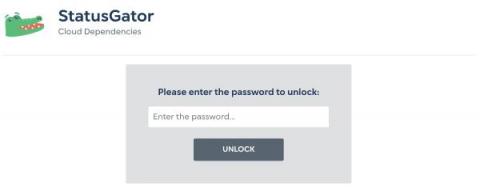
We’ve just released highly-requested feature for our public, aggregated status pages: Password protection. Now, StatusGator’s customizable, brandable, aggregated status pages can be protected behind a password. This feature is now available on our Venture plan. StatusGator is a status page aggregator. We make it easy to publish single page with the status of all your cloud vendors in one place.
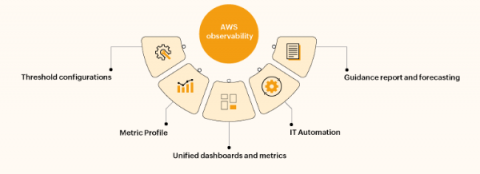
Before we take a deep dive into the ways to achieve observability, it is important to understand what observability is and how it is achieved. Frequently, observability is confused with monitoring. Observability provides end-to-end visibility into a system’s internal health by using the data it generates: logs, traces, and metrics. In a multi-cloud environment, observability enables you to detect and resolve anomalies.