Operations | Monitoring | ITSM | DevOps | Cloud

How to inspire exceptional contributions to your open-source project

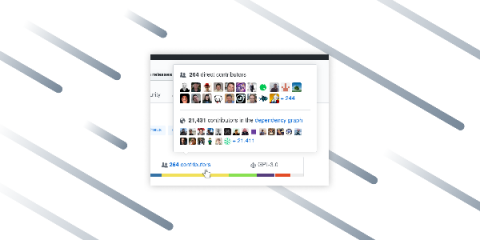
Netdata must be doing something right when it comes to inspiring contributions. Our open-source, distributed monitoring agent has on GitHub and has seen contributions from hundreds of people: . We’ve even hired a handful of our contributors to work full-time on making the Netdata ecosystem even more powerful. The community is passionate about what we’re building, and they’re actively interested in making it work better for their particular needs.

Apache Tomcat Monitoring with ELK and Logz.io

Apache Tomcat is the most popular application server for serving Java applications. Widely-used, mature and well documented, Tomcat can probably be defined as the de-facto industry standard. Some sources put Tomcat’s market share at over 60%! Tomcat is particularly popular for serving smaller applications since it doesn’t require the full Java EE platform. It consumes a relatively small amount of resources and provides users with simpler admin features.

2019 PHP Monitoring Options

There is no denying the popularity of PHP. It has been a constant force in the web development world since its release way back in 1995. And now in 2019, thanks to Laravel, it is still going as strong as ever! Here at Scout, recently we have been working hard on providing a PHP performance monitoring agent to sit alongside our existing ruby, python and elixir agents.

Tim Hall [InfluxData] | Dashboards as Code | InfluxDays London 2019

We are all used to building dashboards for great visualizations, but the issue becomes how to share and collaborate on instrumentation and dashboard design. In this talk, Tim Hall will drill down on dashboard sharing, how to iterate and improve on dashboards within a repository, and lessons learned in sharing and collaborating on dashboards.

How To Track Timeouts In Honeybadger

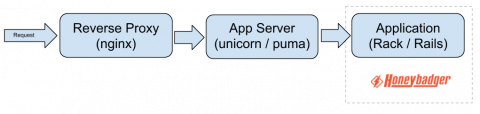
The other day a long-time customer wrote in with a problem. They use Honeybadger to monitor their Ruby apps for exceptions but were having trouble catching timeouts. If their app took too long to respond, their application server, Puma, would abort the request. The only insight their team had into this problem was through Puma's logs. Most people consider timeouts to be a kind of error, so it'd be nice to have them reported by Honeybadger like any other errors.

Pro Tips: How to Decrease MTTR and Increase Uptime with Grafana and VictorOps

We can sift through oceans of data. Alert on predetermined parameters. Deliver multiple commits a day. But as organizations leverage these layered, complex monitoring systems, “we also have to start practicing observability to enrich the actions that we take to solve problems as they occur and drive continual improvement,” said VictorOps Product Marketing Manager Melanie Postma. VictorOps is one tool that can help accomplish that.