Microservices are one of the hottest app architectures in the current market. They easily solve some of the most common problems with monolithic and service-oriented architecture. The ability to split your application into multiple smaller components and develop as well as monitor them individually opens up a whole new world of possibilities. However, this also brings with it a new set of problems. Monitoring distributed applications requires thinking outside of the box.
Visual Studio Code (VScode) is an open-source and cross-platform source-code editor. It was ranked the most popular development tool in the Stack Overflow 2021 Developer Survey, with 70% of the respondents using it as their primary editor. VScode allows you to use a few programming languages like JavaScript and TypeScript. Still, you need an extension if you want to use any other programming language and include extra functionalities to improve your code.
In this article, we are going to discuss what you should do prior to selecting a new RMM software solution and how you should tackle the migration once you have.
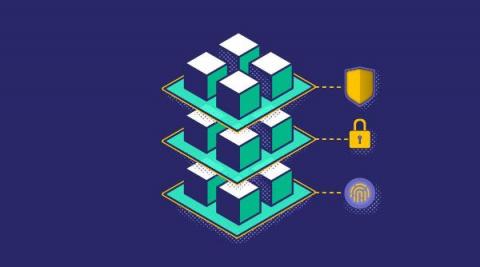
As the container orchestration platform of choice for many enterprises, Kubernetes (or K8s, as it’s often written) is an obvious target for cybercriminals. In its early days, the sheer complexity of managing your own Kubernetes deployment meant it was easy to miss security flaws and introduce loopholes. Now that the platform has evolved and been managed, Kubernetes services are available from all major cloud vendors, and Kubernetes security best practices have been developed and defined.