Everyone knows it’s been a tough time for businesses. All flights, conferences and in-person meetings have been canceled. The novel coronavirus (COVID-19) has even made us all stand apart from each other and, if anything, bump elbows only. Times are tough. For those of you in the software business, you know you’ve got it easier than some industries. You CAN work from home. You CAN continue developing. And you should, too.
Social distancing measures, like remote working, school closures, and “shelter in place” have driven us onto the Internet more than ever before, creating unprecedented demand for a range of digital services from companies, many of whom weren’t set up for this type of pressure. As a digital operations company, we help teams ensure their websites and apps are running perfectly and partner with over 12,000 organizations around the world—from start-ups to 58 of the Fortune 100.
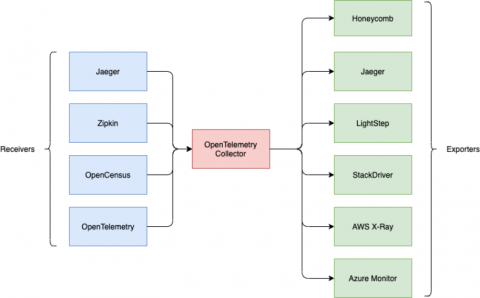
We’re really big fans of OpenTelemetry at Honeycomb. As we’ve blogged about before, OpenTelemetry is the next phase of the OpenTracing and OpenCensus projects. Instead of working on separate but similar efforts, those two projects have merged to create OpenTelemetry. This is wonderful for the larger community as it gives people a clear way to instrument their code for metrics and traces that isn’t specific to any tool or vendor. OpenTelemetry is a CNCF sandbox project.
BlackSky monitors the globe from space, the air, the ground, the internet, environmental sensors, asset tracking sensors, satellites in space, social media feeds, industrial IoT, and other sources too numerous to name. Once gathered in their Elastic-powered analytics engine, all of the data from these disparate sources is correlated, compared, and cleaned.
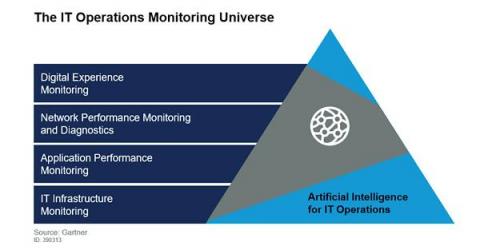
Major changes are redefining how IT operations monitoring is done, and impacting tooling, processes and skills. But how exactly can IT Ops leaders ensure continuous service assurance of their critical digital services now and in the future? What’s the key to having the required visibility and control over these modern and complex IT environments that are increasingly hybrid, distributed, dynamic and modular?
COVID-19 has caused an explosion in employees having to work remotely to maintain social distancing and prevent the rapid spread of the coronavirus. While a large remote workforce can place enormous strain on enterprise applications and hybrid infrastructure, IT operations teams must ensure that their employees can get the job done without frequent interruptions. At the same time, customers can no longer dine out or go to shopping malls, shifting to online services and mobile apps to meet their needs.
When I’m writing new software, one of the most important thoughts in my mind is how I’ll test to make sure it works. There are lots of ways to test software, and when you’re at your best, you should be using all of them. Sure, you should make sure that your QA team is able to verify that your code works before it goes live. You should make sure that the code passes acceptance tests, too.
Employee monitoring has become a standard practice across different industry verticals to examine productivity and ensure that company resources are being used in the right manner. In addition to keeping a track of the manner in which employees are working, it also allows preventing theft and serves as evidence in litigation. Employee monitoring applications offer a means of tracking the activities of employees and remove any guesswork about what employees are doing throughout the day.