“What??? Fully end of life by April, you say? As in, ‘in-six-weeks’ April? Well, there go my weekends for a while. When will we ever get this right?” We’ve all been there at some point, completely under water, late on key projects, having to fight to get our SLA and security KPIs green and completely forget that time is running and now, again, core components are nearing their end of life. Here at Nexthink, we don’t want you to have to go through that.
When developing PHP applications, error logs tend to be underutilized due to their apparent complexity. The reality is that PHP error logs are extremely helpful, especially when configured and used properly. While there are advanced tricks to truly squeeze every last drop of utility out of error logs, this article will cover the basics of configuration and the most common use cases so you can get up and running quickly.
We only have a handful of general admission tickets to GrafanaCon LA before angel tickets go on sale, but you still have time to grab one of the last remaining GA tickets. We’re really excited how the schedule has shaped up and hope you can join us!
Five worthy reads is a regular column on five noteworthy items we’ve discovered while researching trending and timeless topics. This week, we’ll talk about why incorporating AI into your UEM strategy may be inevitable.
So you’ve got a ClickHouse DBMS, and you’re looking for a tool to monitor it. You’ve come to the right place. In this blog post (which is part 2 of a three-part series on ClickHouse monitoring), we’ll identify and discuss the various ClickHouse monitoring tools available today.
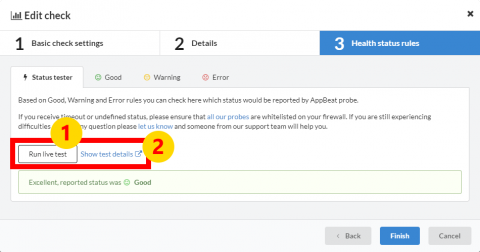
Today we published new monitoring engine which supports page integrity checks with SHA-256 hash. To enable this feature simply add or edit your periodic check and update your warning or error status rule with this snippet...
Mattermost 5.8 is full of new features that will help your team get more done in less time.
One of the great things about Kubernetes is that it completely separates authentication and authorization. Authentication (Authn) meaning the act of identifying who the user is and authorization (Authz) meaning the act of working out if they’re allowed to perform some action. This can be thought of in terms of a Passport and a Visa.