Mailchimp
Not subscribed to OpsMatters Newsletter


In Part 1 of this series, we talked about the origins of observability and why you need it. In this blog (Part 2), we will cover exactly what observability is, what it isn’t, and how to get started. Before we can dive into how to approach observability, let’s get one thing clear: You can’t buy a one-size-fits-all observability solution.
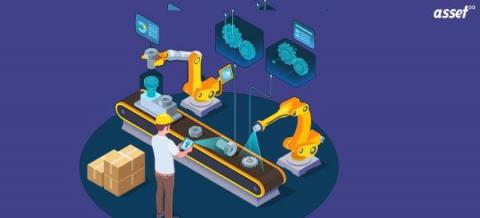
These days technology is essential for businesses as their clients only want the best technology. Moreover, competition is high and having the best technology is significant for running daily operations successfully. Therefore, when an organization is equipped with a lot of assets in order to keep them maintained. In the market, there are several technologies available for effective asset management such as Barcode, QR Code, RFID, GPS, BLE, NFC, IoT, etc.
Service virtualization is not new. In fact, the concept and technology were established 20 years ago. At its core, service virtualization offers the ability to simulate behavior, data, and performance characteristics of applications and services. Through service virtualization, teams can ensure they have an on-demand environment to support their testing needs.
Redis is an open-sourced, BSD 3 licensed, highly efficient in-memory data store that can be easily used as a distributed, in-memory key-value store, cache, or message broker. It is known for being extremely fast, reliable, and supporting a wide variety of data structures, making it a very versatile tool widely adopted across the industry. Redis was architectured with speed in mind and is designed in a way that it keeps all the data in memory.