Mailchimp
Not subscribed to OpsMatters Newsletter


We’re back with part three of our four-part series on cutting down IT costs during the asset life cycle. In the last blog, we discussed ways to save in the asset deployment stage. In this part, we’ll look at maintenance and support, and examine ways to save during this stage of the asset life cycle. When it comes to IT technicians, time is money. On any given day, an organization can have thousands of assets in play.
As the cloud-native ecosystem continues to evolve, many alternative solutions are popping-up, that challenges the status quo of application deployment methodologies. One of these solutions that is quickly gaining traction is Unikernels, which are executable images that can run natively on a hypervisor without the need for a separate operating system.
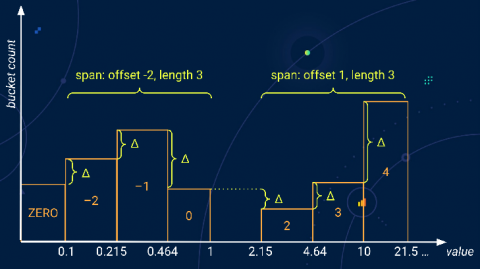
It’s only four months ago that I blogged about histograms in Prometheus. Back then, I teased my talk planned for (virtual) KubeCon Europe 2020. On Aug. 20, the talk finally happened. It completed the trilogy of histogram talks also mentioned in my previous blog post. Here is the recommended viewing order.
Logs in continuous delivery pipelines are often entirely ignored, right up until something goes wrong. We usually find ourselves wishing we’d put some thought into our logs, once we’re in the midst of trawling through thousands of lines. In order to try to prevent this, we can add DevOps metrics into our logs, which will provide us with greater observability, and give insight into anything going wrong in our pipelines.
Kubernetes upgrades are always a tough undertaking when your clusters are running smoothly. Upgrades are necessary as every three months, Kubernetes releases a new version. If you do not upgrade your Kubernetes clusters, within a year, you can fall far behind. Rancher has always focused on solving problems, and they are at it again with a new open source project called System Upgrade Controller. In this tutorial, we will see how to upgrade a K3s Kubernetes cluster using System Upgrade Controller.