Mailchimp
Not subscribed to OpsMatters Newsletter


In this article, we are going to have a look at using Jaeger clients with W3C Trace-Context propagation format. The standardized context propagation format assures interoperability between different tracing systems and instrumentation libraries. In this regard we are going to explore two use cases. First how to use OpenTelemetry SDKs in Jaeger instrumented environment.
In recent weeks we’ve all been disrupted by the Covid-19 pandemic, both personally and professionally. The changes have been swift and severe, bringing new meaning to the Boy Scout motto: “Be Prepared.” While certain sectors, like the restaurant industry, have been brutally affected by lockdowns, we’ve also seen encouraging signs of last-minute ingenuity. At the end of March, national chain The Cheesecake Factory warned that it would not be able to pay rent.
Ubuntu has supported ZFS as an option for some time. In 19.10, we introduced experimental support on the desktop. As explained, having a ZFS on root option on our desktop was only a first step in what we want to achieve by adopting this combined file system and logical volume manager. I strongly suggest you read the 2 blog posts, linked above, as introductions to this blog series we are starting. Here we cover what’s new compared to 19.10 in term of installation and general features.
Data science has exploded as a practice in the past decade and has become an undisputed driver of innovation. The forcing factors behind the rising interest in Machine Learning, a not so new concept, have consolidated and created an unparalleled capacity for Deep Learning, a subset of Artificial Neural Networks with many “hidden layers”, to thrive in the years to come.
The temptation to dive into user experience design without actually testing to see if your efforts are taking you in the right direction may be weighing on you right now, especially if there are other pressures that are prompting you to push forward with a project as quickly as possible. However, good UX testing can make for a great end product that is not only more satisfying for end users, but is also easier to manage, maintain and update at the backend.
Our digital world is evolving and advancing at an unimaginable pace – and so are the expectations of end users. Momentum is everything in today’s united world, and having a poor performing website or application will likely result in the confidence of your products and services. And worse yet, any dissatisfaction perceived from the user will also likely result in them going straight to your competitor. This is an immediate impact on your revenue, brand, and customer confidence.
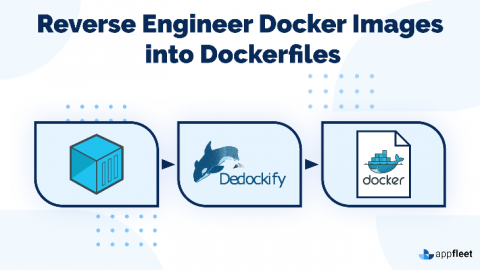
This article explores how we can reverse engineer Docker images by examining the internals of how Docker images store data, how to use tools to examine the different aspects of the image, and how we can create tools like Dedockify to leverage the Python Docker API to create Dockerfiles from source images.