Mailchimp
Not subscribed to OpsMatters Newsletter


Slack went down and Twitter activity went up, but what did your team do with its downtime? Did you sit and ping your workspace over and over, waiting for the inevitable return? Did you give up and have a coffee? Did you use it to stay productive and get things done? Ok, I’m not your boss and sorry I asked that last question. Maybe if you were not productive it’s because an outage makes it hard to focus.
How fast is your website, and how does application performance affect the user experience even when small changes are applied? If careful attention is not paid to content delivery and hosting, speed and performance at scale become a full-time task. API latency, performance issues during traffic surges, and third-party services all play a role in general performance.
June and July are traditionally slow months. The sun is out, and there’s too much work reflecting off all our monitors for any of us to get much work done. For us, it’s doubly slow as we’re putting all of our efforts towards a big launch later this year. Still, some great stuff came out.
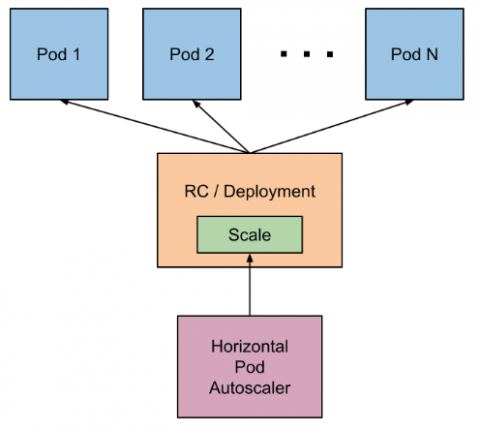
In this post we are going to demonstrate how to deploy a Kubernetes autoscaler using a third party metrics provider. You will learn how to expose any custom metric directly through the Kubernetes API implementing an extension service.
The radical shift towards DevOps and the continuous everything movement have changed how organizations develop and deploy software. As the consolidation and standardization of continuous integration and continuous delivery (CI/CD) processes and tools occur in the enterprise, a standardized DevOps model helps organizations deliver faster software functionality at a large scale.
In the first two articles in this series about using serverless on an open source platform, I described how to get started with serverless platforms and how to write functions in popular languages and build components using containers on Apache OpenWhisk.Here in the third article, I’ll walk you through enabling serverless in your Kubernetes environment.
Pandora FMS 737 release includes a brand new feature: automated software agent deployment from the console. In addition, the Discovery feature is still being developed, incorporating a new Cloud plugin for Azure. A new SLA reporting feature has also been added with Failover modules and other small enhancements.