Mailchimp
Not subscribed to OpsMatters Newsletter


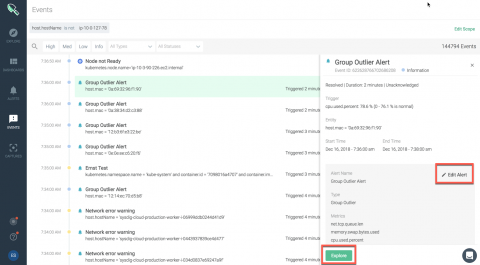
At Sysdig, we have built a cloud-native intelligence platform to create a single, more effective way to monitor and secure your critical applications. We want to empower our users to quickly identify critical events and focus on events that need the most attention from you.
Jenkins is an extremely popular, open-source, continuous integration tool used for running tests, building code, and subsequently pushing to staging and then production. In a previous post, I outlined instructions for collecting, analyzing and visualizing Jenkins system logs.
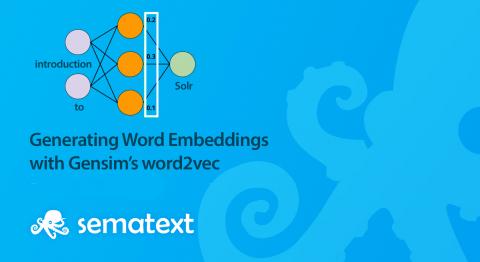
During our Activate presentation, we talked about how to do query expansion by dynamically generating synonyms. Instead of statically defining synonyms lists, we showed a demo of how you could use word2vec to derive synonyms from a dataset. Before we start, check out a useful Solr Cheat Sheets to guide you through Solr and help boost your productivity and save time.
CFEngine 3.12.0 introduced the augments key to the Augments file format. If you are not already familiar with Augments, check it out. It’s a very easy way to define classes and variables very early during agent execution, before policy.
We’re back with another giveaway, and this time it includes every icon released by Amazon in their AWS Architecture Icon PowerPoint deck. You can find the original deck here. The link below provides an svg file for every service and resource icon provided by Amazon in the PowerPoint file each grouped by the service category. That is a total of over 300 icons for you to use when creating your architecture diagrams, in SVG format so you never have to worry about size or screen resolution.
With technology’s unrelenting advance, the evolution of the digital workplace has unarguably entered the fast lane. Microsoft – which provides critical digital workplace solutions through their Windows OS – is no exception. Indeed, end users indispensably depend on Microsoft’s range of workplace services to achieve everyday tasks – from simple log-ins to advanced programming – putting them at the front lines of any new updates and modifications.
Not too long ago in the Sensu Community Slack, the question: “Why Sensu instead of Nagios?” arose. Specifically, “How do I convince my boss to choose Sensu over Nagios?” I responded to the thread, but decided it was worthwhile to share my response with the wider community. At Willis Towers Watson, we moved from Nagios to Sensu 1.2 almost a year ago (and now we’re upgrading to Sensu Go).
It’s hard to find time for DevOps in a startup when there’s so much else to do. Having a great idea is cool, you may already carved a plan, maybe even practiced some pitching and basically started working, you should be focusing on developing your product and doing that alone.