Operations | Monitoring | ITSM | DevOps | Cloud

The latest News and Information on Incident Management, On-Call, Incident Response and related technologies.

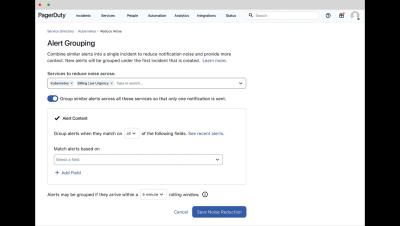
Avoiding a Major Incident with PagerDuty AIOps

A global retailer has a major incident occurring and the team doesn’t know it yet. Before PagerDuty AIOps, the NOC would get hit by alert storms and page multiple teams. This resulted in large conference calls and customer downtime. Now, a major incident right before Black Friday has been averted with PagerDuty AIOps. The result is better overall customer experience, no matter how stressed the system is.

Learning Flows: Bringing consistency to your post incident processes

To get the most out of your incident response processes, consistency is crucial. The more predictable you can be whenever issues crop up, whether a small bug or a major outage, the quicker and more confidently you can respond. In practice, incident response is equal parts knowing how to actually resolve the issue and having the confidence that the processes in place will help get you through without added stress.

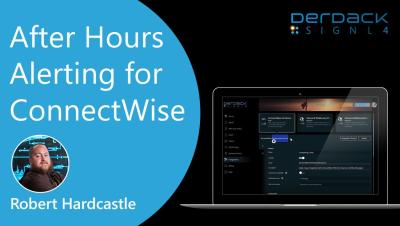
After Hours Alerting for ConnectWise: Using SIGNL4 to Route CW Tickets to On-Call Engineers

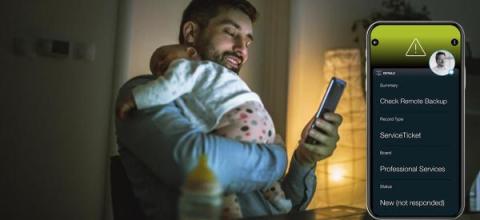
As a business owner or manager, you understand the importance of efficient operations and effective communication, particularly after hours. You want to equip your on-call engineers with all the information they need to resolve a ticket when not at their desk. If you are using ConnectWise to manage your service tickets – here is some great addition to help with your after hours alerting.

The Debrief: Build vs buy

Almost every organization around will eventually face an important crossroad: should I build the tooling I need, or buy it? But more often that not, the decision to buy is the most sensible one that'll save you the most time, effort, and even money. But there are some edge cases where building can be the right choice. In this chat with Isaac, product engineer at incident.io, we dive into this nuanced debate and explain why buying is your best bet...most of the time.

SLA vs. SLO vs. SLI: What's the Difference?

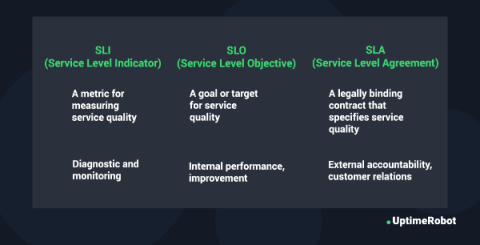
When it comes to managing services effectively, terms like SLA, SLO, and SLI are often thrown around like confetti at a parade. They’re in meetings, in documents, and even in casual office conversations. But if you’re new to the field or simply haven’t had the chance to dig into these acronyms, they can feel like a bewildering alphabet soup. And they can’t be missing on an uptime monitoring blog such as ours! So, what do these terms really mean?

A guide to post-mortem meetings and how we run them at incident.io

You've just made it through a particularly tough incident. It was a short outage affecting a subset of customers, so not exactly the end of the world, but bad enough that it involved multiple people across a number of teams to resolve. Either way, the incident was well managed, and the dust has settled. Now what? Most guidance would say that putting together a post-mortem document is a good idea, given the severity of the incident. You've also done this, so what's next?