The single pane of glass is perhaps the most enduring and elusive goal of enterprise IT operations teams. When we polled our customers a couple of years ago, out of 184 respondents, 99% of them rated it as important to their business – with 64% indicating “extremely important”. The shared dream is to have: But unfortunately, the single pane of glass has become a bit of myth.
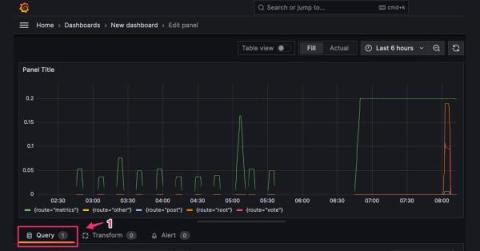
Every day, we generate tons of data, so much so that we cannot analyze them manually anymore. Visualization is a process by which the generated data will be broken down into smaller packages. Visualization extensively relies on observability and the triumvirate of Logs, Metrics and Traces. When it comes to visualizations and dashboards, Kibana and Grafana are two prominent names in the market. What makes them stand apart from their peers is their ability to conceive top-notch analytics charts.
At SquaredUp, we have been debating how the senior leadership team can monitor the ‘health’ of our engineering teams. To do this, we decided to create a dashboard that could represent this for a team – but first, we needed to figure out what to measure. Our goal was to better understand our teams to inform which actions to take to support them and make them a happier and more productive bunch.
Last week, we were very excited to host our first ever SquaredUp Virtual Customer Workshop! We’d received so much positive feedback on the intimate in-person workshop we ran in the UK last month that we wanted to extend the invitation worldwide – by recreating the experience virtually. Using the digital conferencing app Gather Town, we were pleased to welcome 23 SquaredUp customers from 12 countries to our virtual “SquaredUp Town”.
Since we introduced role-based access control (RBAC) in Grafana 9.0, users — and later, service accounts — have been required to have an assigned role that includes a basic set of permissions. This sometimes led organizations to create users and service accounts that had more permissions than necessary. As a result, Grafana administrators had to make additional adjustments to users’ permissions on a case-by-case basis.