The latest News and Information on DevOps, CI/CD, Automation and related technologies.
Network configuration management is a function that comprises assortment, monitoring and storage of information about every component that forms a network. The true purpose of such a solution is to come alive in time of any eventuality; it could be the need to update, upgrade, recover or could even be disaster management. The solution will provide all pertinent information at the hands of the IT operations team, enabling them to decide the course of action going forward.
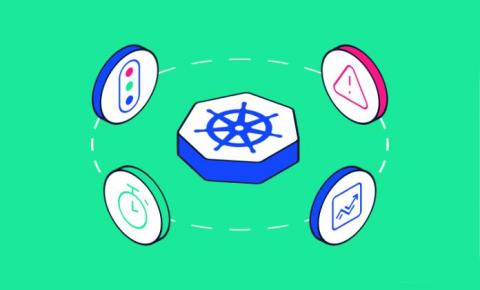
Kubernetes is currently the de-facto container orchestration system on the market. Both small and large companies adopt it, and all major cloud providers offer it as a service. However, Kubernetes is a complex and layered platform, so you can’t just jump into it. There are three essential stages for each application: design, deployment, and operation. This blog post will focus on operation, where you need to monitor and troubleshoot your deployed applications.
Welcome to the concluding chapter of this journey on embedded Linux development with Ubuntu. We covered a lot of ground, so let us quickly recap what we learned so far. In Part I we introduced Snaps, software packages designed for the world of IoT. Snap packages isolate and encapsulate an entire application, increasing the security and stability of embedded devices. Snapcraft is the command-line tool to build snaps.