The latest News and Information on DevOps, CI/CD, Automation and related technologies.
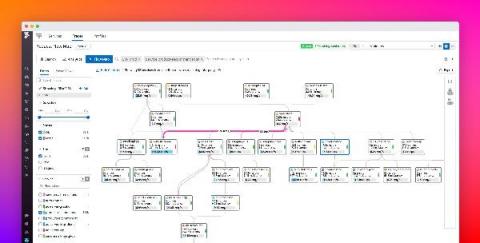
Your modern cloud-hosted applications rely on a number of key components—such as databases and load balancers—that are managed by the cloud provider. While these cloud resources can reduce the overhead of maintaining your own infrastructure, capturing and contextualizing monitoring data from services you don’t own can be difficult.
VMware has recently released vSphere 7 Update 2, and there is a lot of new stuff to look out for. vSphere, VMware’s server virtualization product, has been an industry favorite for a long time. The vSphere 7 came out in April 2020, and this is so far the second update to it, hence the name. When you look at the changes they’ve rolled out, you’ll know that they are really focusing on some key areas. As a result, VMware infrastructure is getting pretty solid and modern.
Gremlin helps teams proactively improve the reliability of their systems by running chaos experiments on infrastructure including hosts, containers, and Kubernetes clusters. But as microservice-based architectures and automated cloud platforms become the norm, engineers are shifting their focus from managing infrastructure to managing services. In order to keep these services as resilient as possible, they need tools that can help them find failure modes, reduce incidents, and improve availability.
No one likes giving their weekends up to fix release issues. Developers and operations teams are traditionally hesitant to make changes or deploy applications on a Friday, in case something goes wrong and they have to spend their weekend making emergency fixes. Or worse, trying to roll back changes that were made. However, with a strong set of practices and a reliable deployment pipeline, there should be no reason why a deployment cannot happen anytime — even on a Friday afternoon.