Operations | Monitoring | ITSM | DevOps | Cloud


The latest News and Information on DevOps, CI/CD, Automation and related technologies.


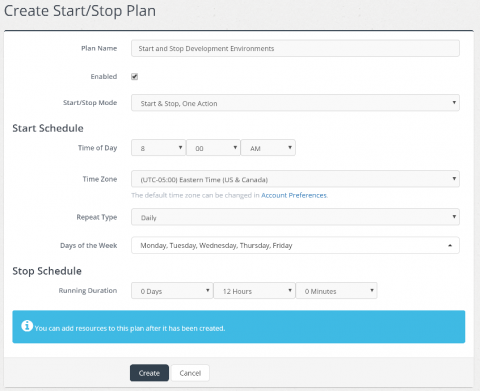
Introducing Managed Starts and Stops
Last October, we added Managed Backups. Managed Backups is a fantastic feature in Skeddly where you simply configure your backup plan, add resources to the plan, and Skeddly manages the actions used to create and delete your backups for you. Today, I’m going to introduce you to a similar feature for starting and stopping your cloud resources: Managed Start/Stops.
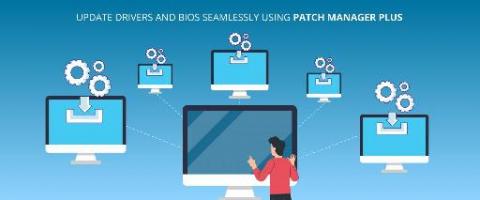
Patch Manager Plus now offers support for drivers and BIOS updates
Among the updates that we ignore most are driver updates, and sometimes for good reason. There have been plenty of cases wherein a driver update caused more harm than good. This could be due to two reasons. One, the user blindly clicked the update without taking a minute to read what the update actually achieves, or two, the user was not equipped to understand what the update achieves. Whatever the reason, one thing is clear: we cannot leave the cybersecurity of an organization up to chance.
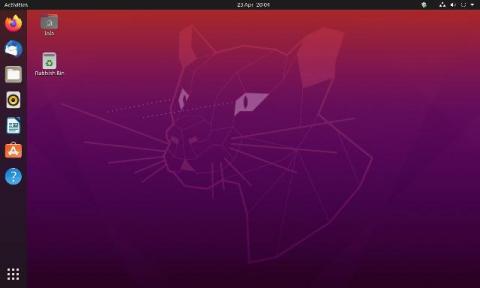
Ubuntu 20.04 LTS arrives
April 23rd 2020: Canonical, the publisher of Ubuntu, today announced the general availability of Ubuntu 20.04 LTS, with a particular emphasis on security and performance. “Accelerating open source globally is our mission. Ubuntu 20.04 LTS is the new state of the art open source platform for the enterprise and the entrepreneur,” said Mark Shuttleworth, CEO of Canonical.
Add Cloudsmith to your DevOps Toolkit
At Cloudsmith, we are all about automation and we believe that the Cloudsmith CLI is an essential part of your DevOps toolkit.
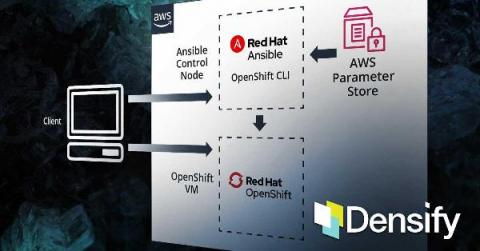
Scaling OpenShift Container Resources using Ansible
Assume you have a process to determine the optimal settings for CPU and memory for each container running in your environment. Since we know resource demand is continuously changing, let’s also assume these settings are being produced periodically by this process. How can you configure Ansible to implement these settings each time you run the associated playbook for the container in question?
Kuberrnetes Master Class - Getting Started with Longhorn and Yugabyte - 2020-04-22

How tech teams are making extraordinary progress in COVID-19 shutdown while working remotely?
COVID-19 has led businesses into extreme work challenges. To overcome these challenges, companies have shifted their working patterns and have embraced Remote Work to avoid any negative impact on employee’s health as well as the business. COVID-19 has made IT-sector office culture’s shift to remote work prominently. The tech teams, who already have DevOps processes in place, got huge benefits and did not get much impact while shifting their workplace from regular office to home.
