Operations | Monitoring | ITSM | DevOps | Cloud

The latest News and Information on DevOps, CI/CD, Automation and related technologies.

Navigating the database landscape in 2025: Simplifying complexity

Get the latest insights from our 2025 report, learn new approaches for professional development and gain valuable knowledge to stay ahead in your career. In this video, you'll hear from our speakers Kellyn Gorman, Steve Jones, and Mri Pandit. Since 2017, Redgate has surveyed thousands of global practitioners each year to examine how our industry is changing, and provide advice and guidance for organizations and database professionals alike.

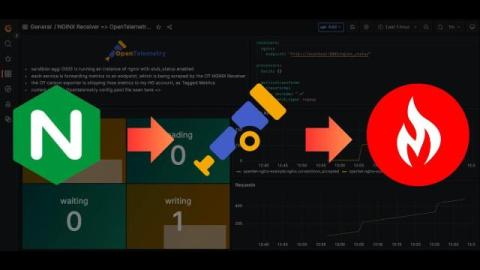
Easiest Way to Monitor NGINX Performance with OpenTelemetry

If you're looking for a straightforward way to collect NGINX metrics via OpenTelemetry and send them to your Graphite-based monitoring setup, this article is for you! With minimal configuration you’ll be collecting key metrics from your NGINX connections within minutes. In this article, we'll explain how to install the OpenTelemetry Collector, and easily configure it to receive and export NGINX metrics to a Hosted Carbon endpoint.

Tomcat Logs: Locations, Types, Configuration, and Best Practices

Apache Tomcat logs are essential for monitoring, debugging, and maintaining Java applications running on Tomcat. These logs capture critical information such as server startup details, request handling, and application errors. They help developers and system administrators troubleshoot issues, analyze traffic, and ensure application stability. Tomcat generates multiple logs, each serving a distinct purpose.

A Quick Guide for OpenTelemetry Python Instrumentation

OpenTelemetry is an open-source tool that helps you keep an eye on your application’s performance. Whether you’re building microservices, using serverless setups, or working with a traditional monolithic app, it’s crucial to monitor and trace your app’s behavior for debugging and optimization. OpenTelemetry's Python instrumentation is an excellent way to track traces, metrics, and logs across your entire app.

Helm vs Terraform: A Detailed Comparison for Developers

When managing infrastructure and deploying applications in a cloud-native environment, two popular tools that developers often compare are Helm and Terraform. While both are used to automate deployments, they serve different purposes and operate in distinct ways. Understanding the differences can help you make the right choice for your use case.

AI & Gartner's Strategic Roadmap Timeline for Cybersecurity - A Perspective from Teneo

The integration of artificial intelligence (AI) presents both unprecedented opportunities and emerging threats. Gartner’s Strategic Roadmap for Cybersecurity Leadership emphasizes the need for adaptive strategies that align with business objectives and technological advancements. Concurrently, the UK’s National Cyber Security Centre (NCSC) has highlighted the dual-edged nature of AI in its report on the impact of AI on cyber threats.

Self-Healing Infrastructure: Start Your Journey Now

Every CIO’s ultimate goal is to create a self-healing enterprise. Self-healing IT systems have the ability to proactively prevent issues within the IT environment, ensuring seamless and uninterrupted services that support business continuity. While automating every possible task seems like an obvious solution, implementing changes in a production environment can be challenging.

Introducing Support for Hex Packages

JFrog has always prioritized universality, ensuring software development teams have true freedom of choice. Core to the JFrog Platform, JFrog Artifactory is the world’s most versatile artifact manager, natively supporting nearly 40 package types. After taking in valuable feedback from the developer community, we’re thrilled to discuss how we’re further expanding our universe with the support of Hex packages.

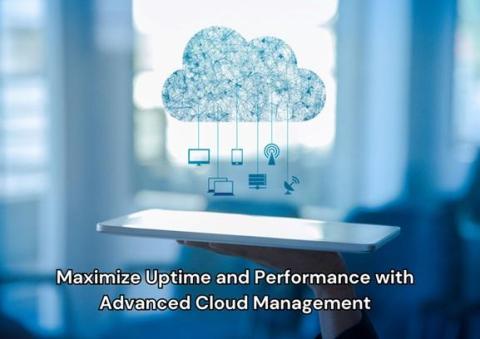
Maximize Uptime and Performance with Advanced Cloud Management

In today's fast-paced digital era, ensuring maximum uptime is essential for business continuity and customer satisfaction. Organizations face constant pressure to maintain reliable IT operations while managing increasingly complex digital infrastructures. Downtime can lead to lost revenue, diminished customer trust, and operational inefficiencies. To combat these challenges, advanced cloud management strategies have emerged as a vital solution for optimizing performance and ensuring seamless service delivery.