
Operations | Monitoring | ITSM | DevOps | Cloud

The latest News and Information on DevOps, CI/CD, Automation and related technologies.

How to find and test critical dependencies with Gremlin

Part of the Gremlin Office Hours series: A monthly deep dive with Gremlin experts. Pop quiz - what are all of the dependencies your services rely on? If you’re like most engineers, you probably struggled to come up with the answer. Modern applications are complex and rely on dozens (if not hundreds) of dependencies. Many teams rely on spreadsheets, but manual processes like these break down over time. What if you had a tool that found and tracked dependencies for you?
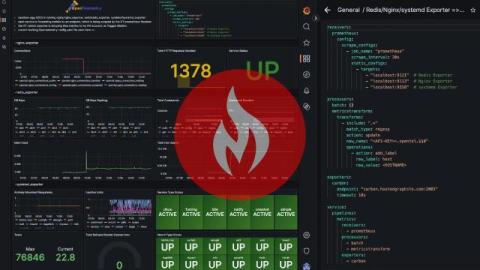
Scraping NGINX Metrics with OpenTelemetry & Exporting to Carbon

Looking for a straightforward way to collect NGINX metrics with OpenTelemetry and send them to your Graphite-based monitoring setup? Unlike Prometheus, which requires configuring scrape jobs and query language nuances, Carbon/Graphite offers a simpler setup with minimal overhead—just send metrics as plain text and query them easily with familiar tools like Grafana. Whether you're setting up dashboards, alerts, or just keeping an eye on traffic, this guide will get you actionable insights in no time!

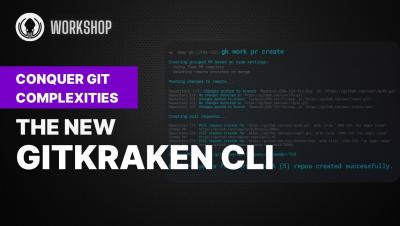
GitKraken Workshop: Conquer Git Complexities With the New GitKraken CLI

GitKraken is creating a reimagined CLI experience. Our goal? Conquer Git complexities by reducing repetitive repo management tasks. In this session, GitKraken Senior Cloud Architect, Louis Sivillo, will showcase how the CLI will create and manage repositories as a cohesive unit, execute cross-repository operations with a single command, and dramatically reduce context switching and manual overhead. We'll also dive into the future of the CLI and what we're building next to improve your workflows.

3 Companies That Repatriated Workloads from the Cloud and Their Results

In recent years, many businesses have begun a process known as cloud repatriation. Cloud repatriation is when companies migrate their applications, data, and workloads from the public cloud to on-premises infrastructure. According to IDC, 70-80% of companies are repatriating at least some of their data each year.

Building Production-Ready AI Infrastructure: How Megaport and Vultr Are Solving the Enterprise Challenge

In bridging traditional enterprise environments with modern GPU resources, we're helping organizations build AI infrastructure that's truly ready for production workloads. Co-authored by Duncan Ng, Vice President Solutions Engineering, Vultr As enterprises move from AI experimentation to production deployment, most are realizing a fundamental truth: Successful AI adoption requires more than just access to GPU computing power.

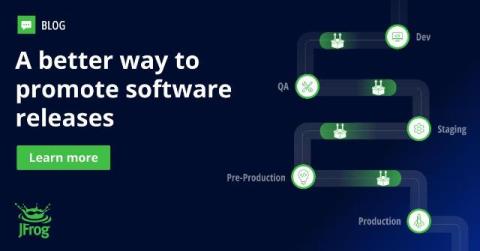
JFrog's Release Lifecycle Promotion vs. Build Promotion

We here at JFrog have long advocated for promoting – never rebuilding – release candidates as they advance across the stages of your SDLC. For many JFrog customers, that meant using JFrog’s “Build Promotion” capabilities. Now you can level up your CI/CD game with promotions using Release Lifecycle Management (RLM)! In this article we’ll show you why promotions with RLM are more simple, secure, and scalable than our legacy build promotion API.

Telemetry Data Platform: Everything You Need to Know

As systems grow more distributed and complex, having a reliable way to monitor and understand what's happening across your infrastructure becomes essential. Telemetry data provides the visibility needed to keep everything running smoothly, whether you're managing microservices, cloud environments, or sophisticated AI systems. In this guide, we’ll break down what a telemetry data platform is, why it’s so important, and how you can choose the right one to meet your needs.

Types of Pods in Kubernetes: An In-depth Guide

When working with Kubernetes, pods are the fundamental building blocks of deployment. But not all pods are created equal. Understanding the different types of pods and their use cases is crucial for optimizing workloads, ensuring reliability, and maintaining efficiency in your cluster. Let's break it all down.