

Operations | Monitoring | ITSM | DevOps | Cloud

The latest News and Information on DevOps, CI/CD, Automation and related technologies.

SLOs 101: How to establish and define service level objectives

In recent years, organizations have increasingly adopted service level objectives, or SLOs, as a fundamental part of their site reliability engineering (SRE) practice. Best practices around SLOs have been pioneered by Google—the Google SRE book and a webinar that we jointly hosted with Google both provide great introductions to this concept. In essence, SLOs are rooted in the idea that service reliability and user happiness go hand in hand.


Best practices for managing your SLOs with Datadog

Collaboration and communication are critical to the successful implementation of service level objectives. Development and operational teams need to evaluate the impact of their work against established service reliability targets in order to improve their end user experience. Datadog simplifies cross-team collaboration by enabling everyone in your organization to track, manage, and monitor the status of all of their SLOs and error budgets in one place.

Track the status of all your SLOs in Datadog

Service level objectives, or SLOs, are a key part of the site reliability engineering toolkit. SLOs provide a framework for defining clear targets around application performance, which ultimately help teams provide a consistent customer experience, balance feature development with platform stability, and improve communication with internal and external users.

Five worthy reads: Hyperautomation revolution-Harnessing the power for business success in 2024

Five worthy reads is a regular column on five noteworthy items we’ve discovered while researching trending and timeless topics. This week we are exploring the concept of hyperautomation and its role in driving your business towards success. In today’s dynamic business landscape, organizations are witnessing a profound shift as they redefine their operational strategies.

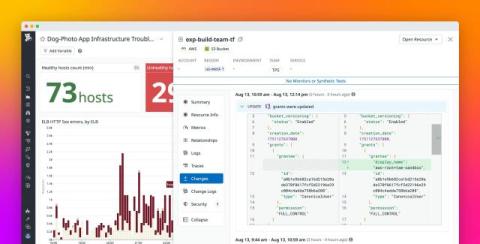
Troubleshoot infrastructure issues faster with Resource Changes

Infrastructure changes often trigger incidents, but troubleshooting these incidents is challenging when responders have to navigate through multiple tools to correlate telemetry with configuration changes. This lack of unified observability leads to longer mean time to resolution (MTTR), greater operational stress, and ultimately, negative business outcomes.

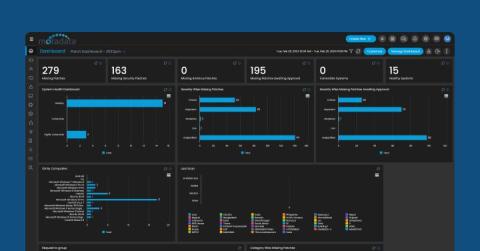
What is Patch Management? A Complete Guide

Let us begin with an example that underlines the importance of patch management. Software vulnerabilities are real, irrespective of the business entity. One of the leading healthcare organizations providing data for more than 10 million people had an adverse situation in 2023. Their focus group revealed that while there was a nod to patch management, the prioritization was not taken seriously due to a lack of resources and perceived minimal risks.