The latest News and Information on Monitoring for Websites, Applications, APIs, Infrastructure, and other technologies.
When the U.S. Congress passed the Modernizing Government Technology Act (MGT) of 2017 as part of the 2018 National Defense Authorization Act, it established both funding and a process intended to help bring aging federal IT systems and infrastructure up-to-date with state-of-the-art technologies common in the private sector. According to the legislation, the goals of MGT are to.
Have you ever felt limited or “locked into” a fixed SaaS subscription plan? Have you ever been forced into a Sales call only to struggle with the decision – and costs – of upgrading to a higher plan tier to add incremental features or usage you need? Are you subscribed to a SaaS plan today that’s chock-full of features or capabilities you’ve never used (or asked for!) – but are still paying for? If so, you’re not alone.
The uniqueness of each organization in the enterprise IT space creates interesting challenges in how they need to handle alerts. With many commercial tools in the IT Service Management (ITSM) market, and lots of custom internal tools, we equip teams with tools that are both flexible and powerful. This post is for Google Cloud customers who want to deliver Cloud Monitoring alert notifications to third-party services that don’t have supported notification channels.
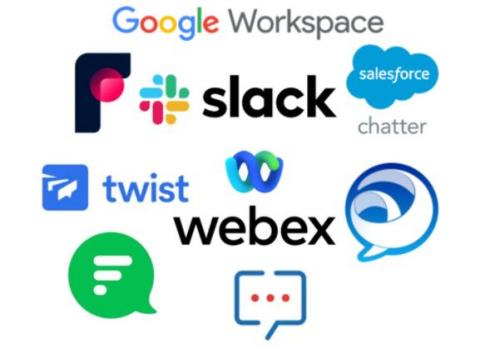
When an alert fires from your applications, your team needs to know as soon as possible to mitigate any user-facing issues. Customers with complex operating environments rely on incident management or related services to organize and coordinate their responses to issues. They need the flexibility to route alert notifications to platforms or services in the formats that they can accept.
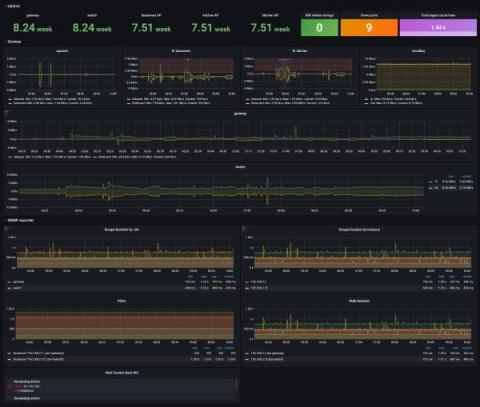
Networks are the backbone of inter-communications within computer systems and applications. When networks go down or experience any interruption of service, the impact is widely felt and can result in significant service disruptions and lost revenue. This is why network monitoring is mission critical for organizations. Visibility into network performance is key to ensuring that network engineering teams can be more proactive and identify problems before those issues cause outages.
If you’re a SCOM Admin these are the questions you should be asking yourself when it comes to measuring your monitoring success! So, here’s how to tackle these challenges and get the best out of SCOM.
2021 was the year of hybrid work. An interesting year full of hope and thoughtfulness, 2021 saw increased office-based collaborations complementing our diverse remote workforce. Through this, we sought to look within to sort our processes and deliver what it takes to ensure the best monitoring experience for our customers worldwide. Here is a quick recap of the APM features we rolled out last year and a brief note on our plans for 2022.
Selecting the best sentry alternatives for error monitoring is likely to be difficult. It might be difficult to sort between the features, benefits, and drawbacks of many software companies and sellers. Let's talk about how to make this process easier by looking at the eight best alternatives to Sentry. Sentry is open-source application performance and error-tracking tool that allows developers to track and fix errors in real-time.
Dell EMC Isilon is a petabyte-scale network attached storage (NAS) system that allows you to archive unstructured data. Isilon operates in a cluster to provide high availability, and you can scale up its throughput, IOPS, and storage space by adding nodes to your cluster. Isilon automatically replicates your data throughout the cluster to ensure durability and provides caching to minimize data retrieval latency.