Increases in attack surface size lead to increased cybersecurity risk. Thus, logically, decreases in attack surface size lead to decreased cybersecurity risk. While some attack surface management solutions offer remediation capabilities that aid in this effort, remediation is reactive. As with all things related to security and risk management, being proactive is preferred. The good news is that ASM solutions aren't the only weapons security teams have in the attack surface fight.
Resistance to change is always present, especially if you think the processes you have in place are efficient and effective. Many organizations feel this way about their software management procedures until they have a security breach or incident and are left wondering where they went wrong. The reality is that most patch management programs are built on assumptions and recommendations, rather than facts about actively exploited vulnerabilities. Risk-based patch management is the answer to this issue.
There has been growing interest in the capabilities of generative AI since the release of tools like ChatGPT, Google Bard, Amazon Large Language Models and Microsoft Bing. With the hype comes concerns about privacy, PII, security and, even more importantly, accuracy. And rightly so. Organizations are treading cautiously with their acceptance of generative AI tools, despite seeing them as a game changer.
As more and more of the public sector enact large-scale digital transformation initiatives, government organizations must find new ways to manage massive amounts of data securely while maintaining compliance. With new mandates from the Biden administration to enhance cybersecurity best practices in both the private and public sectors, organizations like the Department of Defense (DoD) face new challenges to their data management and communication practices.
Managing incidents is already tricky enough, and you want to get to mitigation as quickly as possible. But sometimes it feels like organizing everything surrounding an incident is more difficult than solving the actual technical problem and you end up getting delayed or sidetracked during mitigation efforts. We call that scenario the “people problem” of incident management.
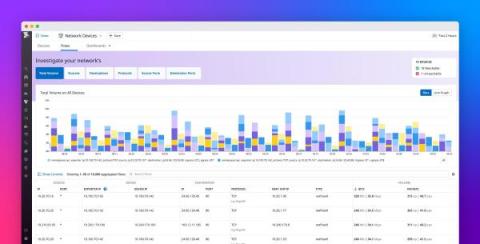
NetFlow is a network protocol that enables devices to report key traffic flow data such as origin, direction, and overall volume.
A pull request (PR) is (quite literally) a request to pull a change into a project’s code or documentation. It is a popular change management process supported by many VCS providers including GitHub, GitLab, Bitbucket, Codeberg, and others. Typically these come with features to track open pull requests, tools to assist in reviewing the changes, the ability to approve—or reject—PRs, and finally to merge approved PRs.
Compare Graphite and Prometheus, two leading open-source monitoring solutions.
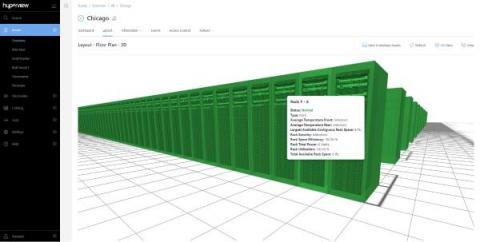
This blog post provides an in-depth overview of these options and outlines strategies for optimizing data center efficiency, the role of AI-powered analytics, and important security measures to consider when choosing a DCIM solution.