Operations | Monitoring | ITSM | DevOps | Cloud

Observability Data vs Data Observability: What's the Difference?

Fun fact: Observability goes all the way back to the 1960s, coined by scientist Rudolf Kálmán as a way to measure a system through its output. Now, over six decades later, observability has fragmented into several specialized segments — from application observability, to security observability, and everything in between. The two segments driving the most confusion are data observability and observability data.

Best practices for IT incident management

Today, many digital technologies in IT can operate with minimal human intervention. However, while they boost productivity and drive growth, any failure or unpredictable behavior can pose a significant challenge for the ITOps and DevOps teams. So, effective IT incident management helps minimize the impact of incidents on business operations and ensures that systems are restored as quickly as possible.

Top 6 Azure VM Monitoring Tools for Better Performance

Azure Virtual Machine (VM) is an on-demand Azure resource allowing users to host applications in a virtual computing environment instead of a physical machine. Allowing software to be configured and installed in a virtual environment and offering flexibility and scalability lowers the cost of maintaining a physical machine. This blog discusses the following key aspects.

Project Variables are now available

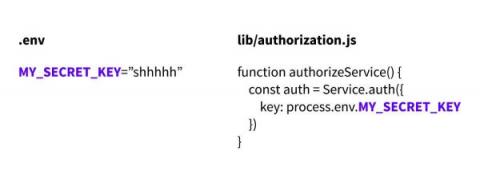
Environment variables are the best way to store variables like API keys, secrets and databases URLs. Until today you had to create and update Env. Variable manually for each app even if they are inside the same project and share the same credentials. Today, we are launching Project-level Variables: Project-level Variables are environment variables created at the project-level. You can create and consume an unlimited number of environment variable directly from your project main page.

What is Azure Locally Redundant Storage?

As more and more companies move their data to the cloud, the importance of data redundancy cannot be overstated. Losing data can be catastrophic, so having multiple copies of your data in different locations is essential to ensure data availability and business continuity. One way to achieve this is through Azure Locally Redundant Storage (LRS). In this article, we will cover everything you need to know about Azure LRS, including what it is, how it works, and its benefits.