Alerting with ilert and Pandora FMS
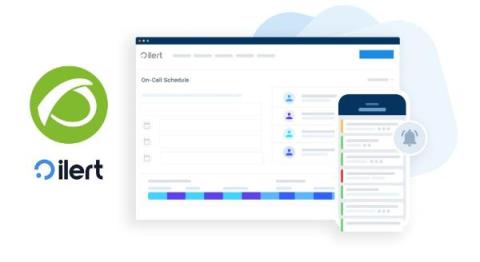
This post introduces the Pandora FMS monitoring solution and how to integrate it with ilert to establish reliable alerting. The guest post is written by Sancho Lerena, the CEO of Pandora FMS.


The latest News and Information on Monitoring for Websites, Applications, APIs, Infrastructure, and other technologies.
This post introduces the Pandora FMS monitoring solution and how to integrate it with ilert to establish reliable alerting. The guest post is written by Sancho Lerena, the CEO of Pandora FMS.
Platform engineering has been one of the hottest keywords in the software community in recent years. As a natural extension of DevOps and the shift-left mentality it fosters, platform engineering is a subfield within software engineering that focuses on building and maintaining tools, workflows, and frameworks that allow developers to build and test their applications efficiently.
Webhooks, those wonderful little lifelines connecting one application to another, have become an essential part of our app notification world. They help keep your systems in the loop, notifying them immediately when events of interest occur. This real-time communication ensures that your applications remain responsive, adaptive, and always up-to-date with the latest information.
Let me tell you something you already know: Networks are more complex than ever. They are massive. They are confounding. Modern networks are obtuse superorganisms of switches, routers, containers, and overlays; a hodgepodge of telemetry from AWS, Azure, GCP, OCI, and sprawling infrastructure that spans more than a dozen timezones.
Organizations must always be ready to pivot on a dime and adjust their business goals when the market—or their customers—demand it. Whether driven by industry changes or developments in market trends, when goals shift at the top, the teams who execute against them must follow suit. Since network infrastructure is becoming increasingly complex to fit business needs, IT teams are part of these initiatives.
We often get questions like: And while the 14-year-old in me is proud to say that we’ve done 24/7 support for clusters of 1000+ nodes holding many PB of data, I am quick to add that.
Windows services are the unsung heroes of Windows machines. This is because they act as critical components of the Windows operating system that run in the background to keep your computer running smoothly and securely. They are responsible for a wide array of tasks, including system startup and shutdown, security, performance, and application support.
While Kubernetes revolutionized distributed orchestration, it also added complexity to logging and monitoring. To keep up with the challenges of working with Kubernetes clusters, you need to adapt your monitoring strategy. This includes changing the tools you use. To help keep your Kubernetes environment healthy, we made a list of the best Kubernetes monitoring tools. This list includes both open-source and commercial.
We’ve compiled a list of 9 top-notch port monitoring tools that will help you stay ahead without breaking the bank. So strap in as we explore the world of ports through these beneficial applications and tell you about the best options on the market today! In this guide, you’ll learn… Looking for more amazing monitoring tools? Check out our post about the top 7 ping monitoring tools in 2024.