Virtana - A look at 2021
Take a look at Virtana's progress throughout 2021: the momentum built, awards won, and culture developed.


The latest News and Information on Monitoring for Websites, Applications, APIs, Infrastructure, and other technologies.
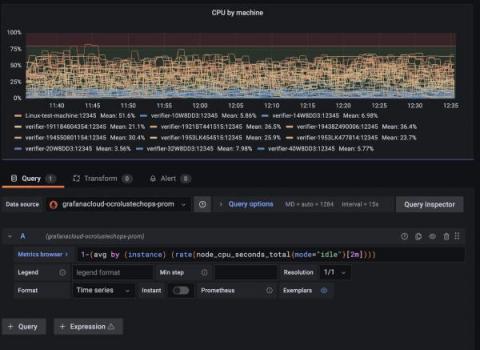
Monitoring is usually associated with servers and applications, but the fintech automation platform Ocrolus recently needed to set up monitoring for a different purpose: to gain meaningful data and insights about nearly 1,000 remote user workstations.
2021 has been an incredible year for RapidSpike. We’ve produced some brilliant features and made platform changes to help our clients produce faster, safer and more reliable websites. Additionally, we’ve had some great successes as a company. Here are some of the highlights in the RapidSpike Roundup 2021.
Node.js applications are those that are created on the Node.js platform, which is an event-driven I/O server-side JavaScript environment based on Google Chrome's V8 engine. Since both the server-side and client-side are written in JavaScript, Node.js allows for easier and faster code implementation, as well as processing requests quickly and simultaneously. This is especially useful for developing real-time applications, such as chat and streaming.
Recent news about Log4j has enterprises and vendors scrambling for information and answers, including customers of messaging middleware and Integration Infrastructure Management (i2M) products. Nastel Technologies customers will not be exposed to any risks from this vulnerability, but enterprises are encouraged to check with their Cloud and other solution vendors to protect themselves and their data.
From introducing new automation capabilities to offering all new integration options this past year, ManageEngine’s ITOM suite of solutions have been supercharged to seamlessly manage complex networks. These new, powerful product enhancements and feature releases have honed the ITOM suit’s superior network management capabilities for IT admins worldwide.
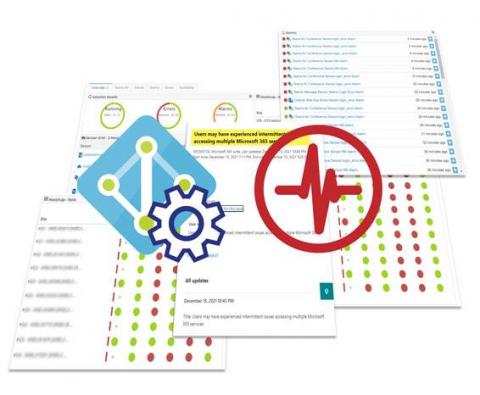
Microsoft has had its own share of outages recently and during the evening of December 15th Azure AD was the cloud culprit. As a result, the Exoprise sensors detected this Microsoft 365 outage more than an hour before Microsoft informed customers of the issue. Here’s some of the errors that users were experiencing if they attempted to sign into Microsoft services: Most of our worldwide customers knew well in advance of the problem before users or business suffered.