Operations | Monitoring | ITSM | DevOps | Cloud

The 2021 State of IT Operations Management: UK Struggles with Current Tools but Looks to AIOps for Relief

The results of our 2021 State of IT Operations Management survey are now available for the UK! Some common themes emerged with our US survey results published in April: Tool sprawl is real in IT operations departments in both countries as ops teams wrestle with multiple tools and report that legacy tools are holding them back from innovating. UK and US IT teams will both look to adopt digital operations platforms to combat tool sprawl, driven by better capabilities for AIOps and automation.

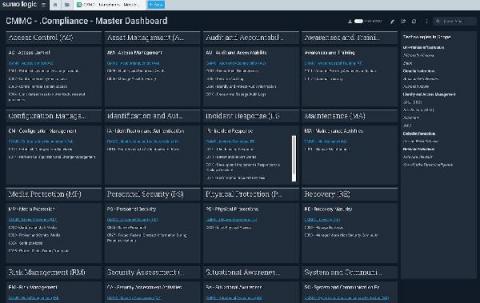
Detecting Password Spraying Attacks: Threat Research Release May 2021

The Splunk Threat Research team recently developed a new analytic story to help security operations center (SOC) analysts detect adversaries executing password spraying attacks against Active Directory environments. In this blog, we’ll walk you through this analytic story, demonstrate how we can simulate these attacks using PurpleSharp, collect and analyze the Windows event logs, and highlight a few detections from the May 2021 releases.

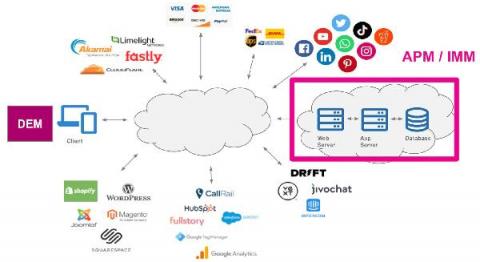
What the Fastly Outage Can Teach Us About Observability

On Tuesday June 8th, the Content Delivery Network Fastly experienced an outage that made large swaths of the web unavailable for nearly an hour. To focus on the positive, this outage can serve as a wakeup call for Observability teams, because it shows how much modern sites depend on resources beyond their immediate control, and how hard it is to "observe" these kinds of issues with an incomplete Observability mindset.

The MTTR that matters

“Mean time to X” is a common term used to describe how long, on average, a particular milestone takes to achieve in incident response. There’s mean time to detect, acknowledge, mitigate, etc. And then there’s the elusive “mean time to recover,” also known as “MTTR.” MTTR, a hotly debated acronym and concept, measures how long it takes to resolve an incident on average. The problem with MTTR, though, is that it doesn’t matter.

Website Issues Slowing Down Your Page Speed

While many statistics are floating around the web, let's consider slow page speeds from a more personal viewpoint. How many times have you waited for a web page to load, then felt frustration, anger, or even desperation as it crawled? In addition, the experience may have even given you a negative impression of the website, possibly to the extent you never want to load it again. With over 1.8 billion websites in existence, slow websites are very likely to lose precious visitor traffic.

Importance of Data Science: Use Cases in Business

Data Science and business are co-related in much more ways in this modern world. As data is the key to drive businesses, Data Science solutions are the bridge that helps achieve the organizational goal to improve business value. Many companies extending from large scale to small scale use the wide possibilities of data science to make their business successful.

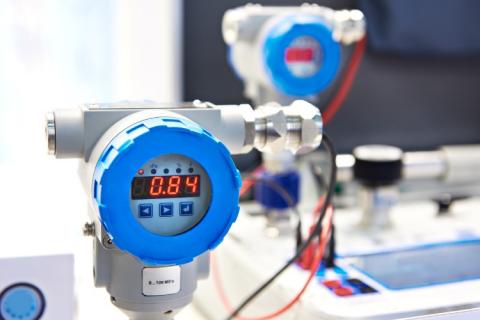
Digital Data Loggers vs. Chart Recorders. When To Upgrade

A digital data logger is an electronic device that measures and records various environmental conditions. These conditions can be temperature, humidity, pressure, voltage, or current. Measuring them is essential in many industries where compliance regulations exist. A chart recorder is essentially an old-school version of the digital data logger. Instead of using a microprocessor for storage, a chart recorder marks the measurements on a paper chart that shows variations in the values recorded at a glance. In this article, we will take a closer look at each and compare the two.

Key JVM Metrics to Monitor for Peak Java Application Performance

Monitoring is crucial if you want to see what happens in your system and JVM-based applications are not different. Well, some metrics, like memory and garbage collection, require special attention because they play a major role in your application performance. In this blog post, we will look into the key Java Virtual Machine (JVM) metrics that you should monitor if you care about performance and stability. Those are the memory, the garbage collection, and the JVM threads.