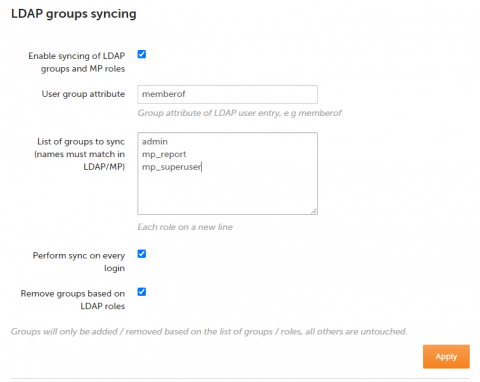
We are pleased to announce two new patch releases for CFEngine, version 3.12.6 and 3.15.3! These releases mainly contain bug fixes and dependency updates, but in 3.15.3 there are also some new enhancements in Mission Portal. The new cf-secret binary is also included in 3.15.3 packages.
During the course of execution, software programs accumulate several data objects that serve no purpose in the program and need to be let go. If not dealt with, they can keep eating up memory and significantly hamper performance. Garbage collection is the process of cleaning up all these useless data objects that continue to reside in memory. It frees up the corresponding RAM to make room for new program objects.
If you’re an SRE or on a DevOps team working with Kubernetes and containers, you’ve undoubtedly encountered network connectivity issues with your microservices and workloads. Something is broken and you’re under pressure to fix it, quickly. And so you begin the tedious, manual process of identifying the issue using the observability tools at your disposal…namely metrics and logs.
Recently our CMO, Nik Koutsoukos, and VP Operations, Tony Ferelli, joined Heavy Network on a podcast discussing Digital Experience Monitoring, and how effective monitoring requires a focus on the user experience. Most monitoring tools monitor from the network or application perspective. Now that microservices and multi-cloud environments are commonly used, monitoring is more challenging. The better monitoring approach is being user-centric.
Automation is everywhere in our day-to-day IT practices. Many of the processes that have been created for managing hardware and software components were designed, or at least initiated, in a time when managing only a few instances of an application was the norm. When we look at the work required to create, deploy, and maintain applications at a modern scale, the shortcomings of these processes become apparent.