Mailchimp
Not subscribed to OpsMatters Newsletter


Too often, when organizations migrate workloads to the cloud or build new cloud-native applications, they don’t really think about storage. The cloud provider takes care of all that, right? Well, yes and no. There are cost implications to cloud storage that many don’t adequately anticipate—until they get the bill, that is.
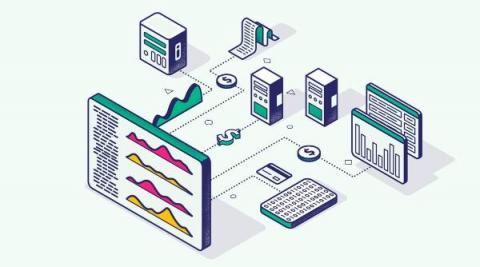
In the last few years, fintech enterprises have disrupted the financial services and banking industry by taking everything computing technology offers – from machine learning to blockchain – and turning it up a notch. Traditional financial institutions must now compete with challenger banks offering electronic payment alternatives, peer-to-peer lending, and investment apps.
Have you heard the tale about the blind men and the elephant? A group of blind men who’ve never seen an elephant touch different parts of the animal and try to figure out what it is.
Artificial intelligence for IT Operations (or AIOps) has been playing an expanding role in helping SREs, DevOps, and developers effectively navigate the challenges around application and infrastructure complexity, pace of change, and data volume that characterize the operations landscape.
The debate between single vendor solutions and best of breed approaches has been ongoing for decades in the technology industry. Engineers have always sought out options and choice, and this has led to a shift in the dominance of large vendors in each stage of technological development. As soon as IBM sold enterprises the mainframe solution, engineers started to look for other options.
Before Megaport, MetTel’s customers battled impaired application performance and deployment delays when moving to the cloud. Now, their connectivity enables high-performance applications in the most distributed cloud environments. Here’s how.
Application performance monitoring (APM) involves a mix of tools and practices to track specific performance metrics. Engineers use APM to monitor and maintain the health of their applications and ensure a better user experience. This is crucial to high quality architecture, development, and operations, but it can be difficult to achieve in Kubernetes since the container orchestration system doesn’t provide an easy way to monitor application data like it does for other cluster components.