Mailchimp
Not subscribed to OpsMatters Newsletter


To change or not to change? It is a question that every IT leader faces in the wake of lagging technology growth. While IT leaders aren’t blind to the problem, change remains elusive. Instead of risking stability and performance by switching to an unknown alternative, many leaders stick with their known incumbent. But that’s not the case anymore. We see a new generation of IT leaders challenging the status quo and transforming the technology behind world-leading companies.
At incident.io, we ship fast. We're talking multiple times a day, every day (yes, including Fridays). Once I merge a pull request (PR), my changes rocket their way into production without me lifting a finger. 💅 It's when we tackle larger projects that this becomes a bit more complicated. We recently launched Announcement Rules, which let you configure which channels incident announcements are posted in depending on criteria you define.
Here at Pepperdata, we continuously work to improve our products and better serve our customers. Whether it’s executing more big data workloads or ensuring their resource consumption remains optimal, we want our customers to get the best value and tangible benefits from our products while not overshooting their big data cloud budgets. Today, we’re bringing you the data to back up our claims that all of this is possible.
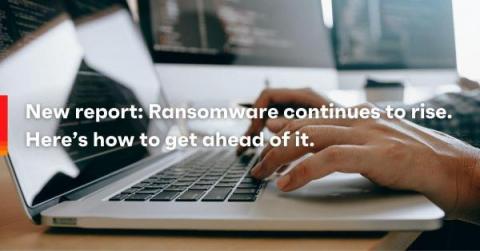
Ransomware experienced a stunning surge in prevalence and sophistication throughout the pandemic. Threat actors capitalized on a frequently shaky transition to a remote, digital business landscape. With so many businesses prioritizing basic functionality over proactive security, vulnerabilities have been unprecedented – and very much exploited.
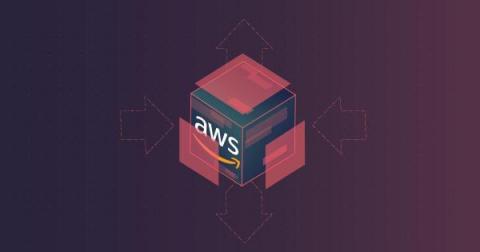
In this blog, we describe the different types of AWS’ managed databases and their various features and merits. By the end of the blog, you should have better information to choose the right AWS database that would match your application’s needs.
You’ve decided to migrate your applications from on-premises to AWS and are considering what cloud services are available that suit your needs the best. When you are migrating an application that uses a relational database backend (RDBMS) such as Oracle, MySQL or SQL Server to the cloud, the question of RDS vs EC2 will inevitably surface.