Mailchimp
Not subscribed to OpsMatters Newsletter


The modern technology landscape is ever-changing, with an increasing focus on methodologies and practices. Recently we’re seeing a clash between two of the newer and most popular players: DevOps vs DevSecOps. With new methodologies come new mindsets, approaches, and a change in how organizations run. What’s key for you to know, however, is, are they different? If so, how are they different? And, perhaps most importantly, what does this mean for you and your development team?
11 Tips for Avoiding Cloud Vendor Lock-In Cloud vendor lock-in. In cloud computing, software or computing infrastructure is commonly outsourced to cloud vendors. When the cost and effort of switching to a new vendor is too high, you can become “locked in” to a single cloud vendor. Once a vendor’s software is incorporated into your business, it’s easy to become dependent upon that software and the knowledge needed to operate it.
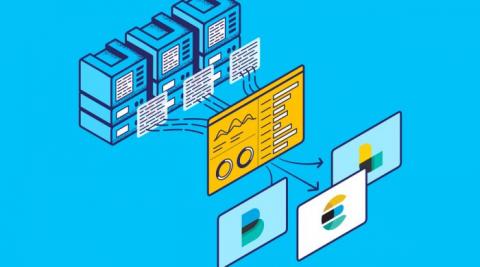
Metricbeat, an Elastic Beat based on the libbeat framework from Elastic, is a lightweight shipper that you can install on your servers to periodically collect metrics from the operating system and from services running on the server. Everything from CPU to memory, Redis to NGINX, etc… Metricbeat takes the metrics and statistics that it collects and ships them to the output that you specify, such as Elasticsearch or Logstash.
Logz.io has always prided itself as a company pushing the use of open source tech. As we have moved to expand our reach with metrics and traces over the past year and a half, we have doubled down on our own contributions to the community. With (distributed) traces in particular, we have been able to forge ahead. Our relationship with the teams at Jaeger and OpenTelemetry have really blossomed (and we are kind of proud to have supported the latter in the run-up to the OpenTelemetry v1.0 release).
To learn more about the CircleCI runner, visit: https://academy.circleci.com/runner-course/704320/scorm/38u8egtp3x93c