Mailchimp
Not subscribed to OpsMatters Newsletter


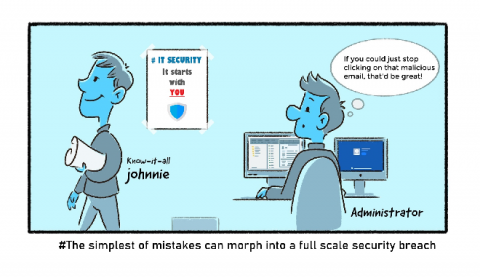
The job of IT admins and IT security analysts are, without a doubt, some of the most important jobs in any company. When things are running smoothly, it is easy for everyone to forget they exist. However, the moment things go askew, everyone points fingers at them. IT security professionals are expected to know everything. Most of them are self-taught and have learned on-the-job. Over time, experience has turned them into battle-hardened soldiers.
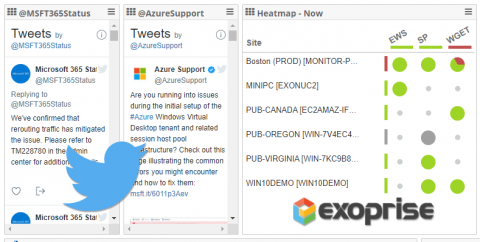
Twitter as a social media channel has obviously taken the world by storm. Everything that happens and is trending around the globe takes place or is reported on Twitter. Additionally, most tech and cloud providers offer outage and support feeds through Twitter as a way of communicating problems and notifying customers. Example technology companies include Microsoft for Microsoft 365 Status, Azure and their products. Also Internet Service Providers like Comcast, CenturyLink and more.
Monitoring for your Node.js apps can be hard. The tricky part is understanding what you need to monitor, instrumenting your code, and then making sense of all the data that’s been emitted. (That’s almost every part you might say 😅 ). At AppSignal, we dogfood our product and understand the pain users feel ourselves. The key points we focus on are the ease of use, flexibility, and developer experience.
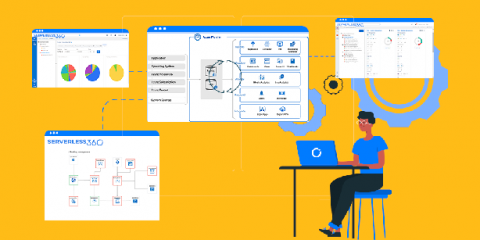
This tutorial focuses on how to write a promise module, implementing a new CFEngine promise type. It assumes you already know how to install promise modules and use custom promise types, as shown in the previous blog post.