Mailchimp
Not subscribed to OpsMatters Newsletter


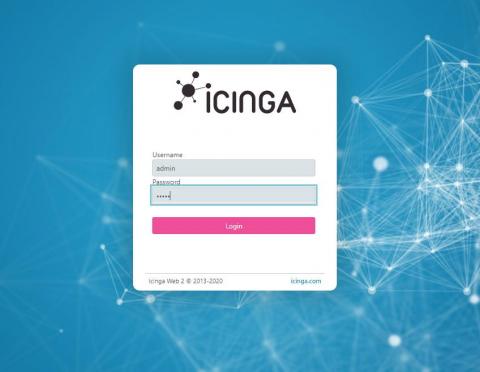
The easiest way to get started with Icinga is a single-node installation. If you are new to the Icinga world, here you have a kickstart for installing Icinga 2, Icinga Web 2 and Icinga Director on CentOS 7. With these steps you will have a ready Icinga environment for monitoring your infrastructure.
If you’ve been following the U.K. healthcare landscape, you would know that the country has been considering replacing pagers for the longest time. This may soon materialize, partly accelerated by the challenges that doctors are facing during the COVID-19 pandemic. The pager replacement initiative not only signifies a pivotal shift from the aging infrastructure, but it also indicates how pagers have failed to thrive in today’s unprecedented times.
The introduction of e-commerce stores has made life so easy for the people. It does not make a difference if you are the consumer or a seller. For a seller, it provides the opportunity to express the worth of their brand and product(s). For a consumer, it gives them an all in one platform, where they can shop for multiple categories. With this, the most significant ease for both parties is to opt for e-commerce business is that you can do all this without taking a step out of their house.
Isn’t all logging pretty much the same? Logs appear by default, like magic, without any further intervention by teams other than simply starting a system… right? While logging may seem like simple magic, there’s a lot to consider. Logs don’t just automatically appear for all levels of your architecture, and any logs that do automatically appear probably don’t have all of the details that you need to successfully understand what a system is doing.
In this tutorial, we’ll use the BIRCH (balanced iterative reducing and clustering using hierarchies) algorithm from scikit-learn with the ADTK (Anomaly Detection Tool Kit) package to detect anomalous CPU behavior. We’ll use the InfluxDB 2.0 Python Client to query our data in InfluxDB 2.0 and return it as a Pandas DataFrame. This tutorial assumes that you have InfluxDB and Telegraf installed and configured on your local machine to gather CPU stats.
Metrics and logs go together like cookies and milk. Metrics tell you when you have a problem, and logs/events often tell you why that problem happened. But it’s always been harder than it needed to be to get both types of data onto a single screen, especially when the sysadmins using the tools aren’t necessarily daily experts in managing those monitoring platforms.