Mailchimp
Not subscribed to OpsMatters Newsletter


Monitoring has been around since the dawn of computing. Recently, however, there’s been a revolution in this field. Cloud native monitoring has introduced new challenges to an old task, rendering former solutions unsuitable for the job. When working with cloud native solutions such as Kubernetes, resources are volatile. Services come and go by design, and that’s fine—as long as the whole system operates in a regular way.
In today’s era of microservices, containers, and containerized applications, software architecture is more complex. Kubernetes is king in this environment, orchestrating an army of Docker containers in more distributed environments.
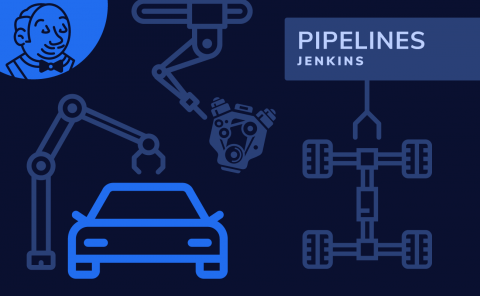
Are you building and deploying software manually and would like to change that? Are you interested in learning about building a Jenkins pipeline and better understand CI/CD and DevOps at the same time? In this first post, we will go over the fundamentals of how to design pipelines and how to implement them in Jenkins. Automation is the key to eliminating manual tasks and to reducing the number of errors while building, testing and deploying software.
In the context of logging, multiline logs happen when a single log is written as multiple lines in the log file. When logs are sent to 3rd party log monitoring platforms like Coralogix using standard shipping methods (e.g. Fluentd, Filebeat), which read log files line-by-line, every new line creates a new log entry, making these logs unreadable for the user.
Everyone knows it’s been a tough time for businesses. All flights, conferences and in-person meetings have been canceled. The novel coronavirus (COVID-19) has even made us all stand apart from each other and, if anything, bump elbows only. Times are tough. For those of you in the software business, you know you’ve got it easier than some industries. You CAN work from home. You CAN continue developing. And you should, too.
Social distancing measures, like remote working, school closures, and “shelter in place” have driven us onto the Internet more than ever before, creating unprecedented demand for a range of digital services from companies, many of whom weren’t set up for this type of pressure. As a digital operations company, we help teams ensure their websites and apps are running perfectly and partner with over 12,000 organizations around the world—from start-ups to 58 of the Fortune 100.