Mailchimp
Not subscribed to OpsMatters Newsletter


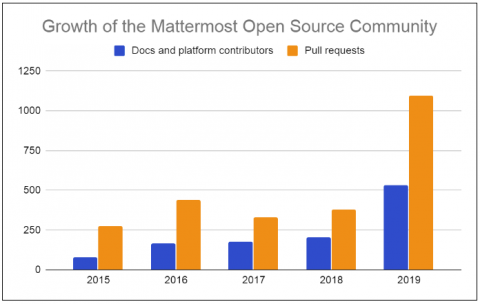
Since our inception, open source contributions have been integral to our business and success. This October, as we participated in the great Hacktoberfest event, organized by Digital Ocean and hosted by GitHub and this month as we host our own hackathon event, we reflect upon and appreciate our community.
Oracle WebLogic Server (WLS) is one of the leading Java Enterprise Edition (Java EE) application servers in the market today. Offering a robust, mature, and scalable implementation of the J2EE specification, the WebLogic Platform is a unified, extensible platform for developing and deploying applications based on Service-Oriented Architectures (SOA).
It’s that season, when we take time to consider what we’re grateful for and extend thanks to those we value and the experiences we treasure. One special aspect of America’s Thanksgiving holiday is the inclusiveness of celebrating across all communities and simply sharing, taking time to enjoy the fruits of the land. Giving thanks in late November can bring some fulfillment, but it should also be a reminder that we need to practice gratitude more regularly.
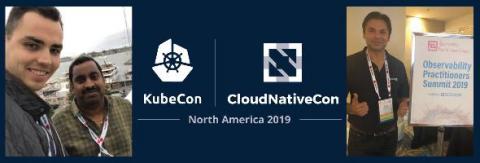
Last week’s container event of the year, KubeCon, hosted by the Cloud Native Computing Foundation, attracted more than 12,000 attendees to the San Diego convention center. While there, I attended numerous sessions but I also spent a good portion of time chatting with DevOps professionals, Kubernetes practitioners, and vendors to understand the practicalities behind deploying and managing containerized workloads and microservices.
A flourishing website is a result of lots of hard work, constant management and thorough maintenance. If you are a one-man army or a small business, then managing all this plus your core task without help can seem like a tedious task. Instead of making it a job to sit at your desk and constantly monitor the progress, there are a lot of mobile apps that come to your aid, specifically with WordPress management and maintenance.
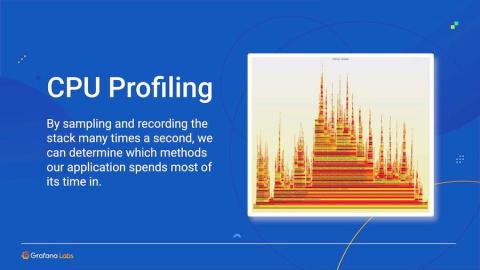
Joe Elliott, a backend engineer at Grafana Labs, took the stage in front of a packed house at KubeCon + CloudNativeCon in San Diego to demonstrate a few of the tricks he uses to debug applications live in Kubernetes. The goal is to increase your knowledge of applications in the production environment. Elliott’s techniques are framework agnostic and Linux-specific, and they are most useful in situations where you have a known type of problem and application.