Operations | Monitoring | ITSM | DevOps | Cloud

MQTT Topic and Payload Parsing with Telegraf

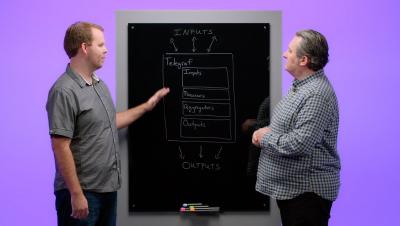
Buckle up, this one isn’t short…but I’m hoping it will be thoroughly informative! This post is about Telegraf as a consumer of MQTT messages in the context of writing them to InfluxDB. If you are interested in and unfamiliar with Telegraf, you can view docs here. Unsure if Telegraf aligns with your needs? I make a case for it in the Optimizing Writes section of this blog post. It may also help to have an understanding of Line Protocol, InfluxDB’s default accepted format.

2021 Pepperdata Survey: The Reality of Kubernetes in Action

More companies than ever before are migrating to Kubernetes and seeing the results of Kubernetes in action. Kubernetes (K8s) is a key platform for big data users, and as such, we wanted to dive deeper and discover some new truths about current Kubernetes challenges and what the solutions might be. We surveyed 600 IT and big data professionals from various industries to determine which big data applications enterprises are moving or intending to move to Kubernetes.

Data Pipelines Overview

A Data Pipeline is a series of processes that collects raw data from various sources, filters the disqualified data, transforms them into the appropriate format, moves them to the places you want to store them, analyzes them, and finally presents them to your audience. As we can see in the chart above, a data pipeline is analogous to a water flow: data flows from one stage to another while being processed and reshaped.

TL;DR InfluxDB Tech Tips: IoT Data from the Edge to Cloud with Flux

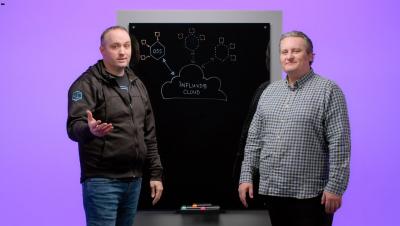
When it comes to writing data to InfluxDB, you have a lot of options. You can: The last bullet is the most powerful and flexible way of maintaining and managing your fleet of IoT devices. That architecture offers you several advantages including: Architecture drawing of the last bullet. Sensors write data to an OSS instance of InfluxDB at the edge which in turn write data to InfluxDB Cloud.