Operations | Monitoring | ITSM | DevOps | Cloud


The latest News and Information on Incident Management, On-Call, Incident Response and related technologies.


Digital Transformation: Cloud Migration Strategy Checklist
Companies moving their applications and services to the cloud is nothing new, but doing business there requires a solid cloud migration strategy. The list of things to consider is longer than you might think. Fortunately, xMatters has done it successfully and has helped its own customers move to the cloud too. In this article, Product Marketing Manager Erin Jones gives a checklist you can use to get your cloud migration right.

RESOLVE '22: Observability and AIOps sitting in a tree
In our first session from RESOLVE ‘22, we were honored to have Darren Boyd and Satbir Sran from the Incubator podcast and ink8r think tank talk observability and AIOps with BigPanda’s Aaron Johnson. Both panelists are part of communities adopting open standards, and they regularly consult with organizations about how they can improve IT Operations and overall performance.

Our journey to become Powerful Incident Management platform
Over the last couple of years, Spike.sh has largely been a Simple Incident Management Platform helping engineering teams across the world. Our focus on simplicity has been well received by all of you and we couldn't be more happy about it. After speaking with users earlier this year, we quickly realised there is a lot we can do to help our responders and help them better than we currently are.
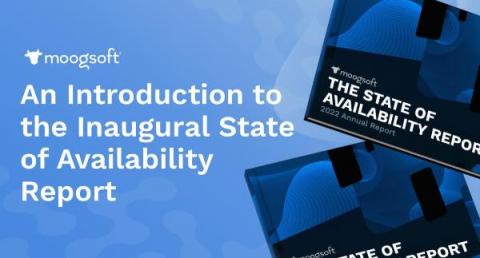
An Introduction to the Inaugural State of Availability Report
The why and what we learned from surveying 1,900 engineering teams around their best practices to build, scale, and maintain high availability.
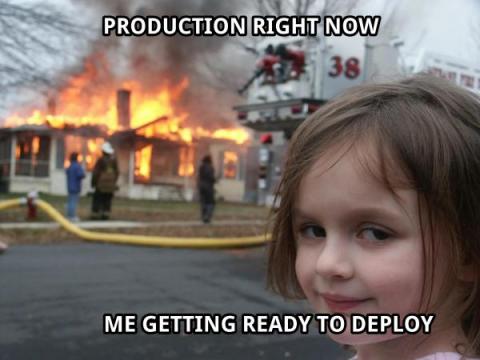
What the heck is an incident?
Incident management is easily one of the most annoying things anyone has to ever deal with. There will always be only a handful of people who would ever want to walk into the building on fire to mitigate. That’s the same with most engineering teams. Only a handful are willing to get in, find the root cause, and mitigate the incident.

Fast track video series: Integrate ticketing and messaging tools with BigPanda
With distributed IT Operations becoming the norm, most enterprise teams struggle with communication and collaboration within and across the organization. Without the proper tools, staying on top of incidents can be challenging, quickly resulting in outages taking longer to resolve. The overall effect: increase in downtime-related costs and decrease in performance and availability of services making mean time to resolve (MTTR) worse.