The latest News and Information on DevOps, CI/CD, Automation and related technologies.
We have to come clean. During KubeCon, we experienced an incident that we weren’t ready to discuss until now. This incident caused quite a disruption and, had it been left unresolved, would have had a massive snowball effect. At the time, we didn’t want to raise any alarms, so we kept it quiet while our team rallied to resolve it. And to be honest, most folks probably didn’t even realize that it happened since we moved so quickly.
Virtualization has become an essential component of modern IT infrastructure, enabling organizations to optimize their resources, improve efficiency, and reduce costs. Microsoft Hyper-V, a popular virtualization technology, allows for the creation and management of virtual machines (VMs) on a physical server. It enables multiple operating systems to run simultaneously on the same hardware, providing both flexibility and scalability.
There is rapid adoption of artificial intelligence (AI) and machine learning (ML) in the finance sector. AI in banking is reshaping client experiences, including communication with financial service providers (for example, chat bots). Banks are exploring ways to use AI/ML to handle the high volume of loan applications and to improve their underwriting process.
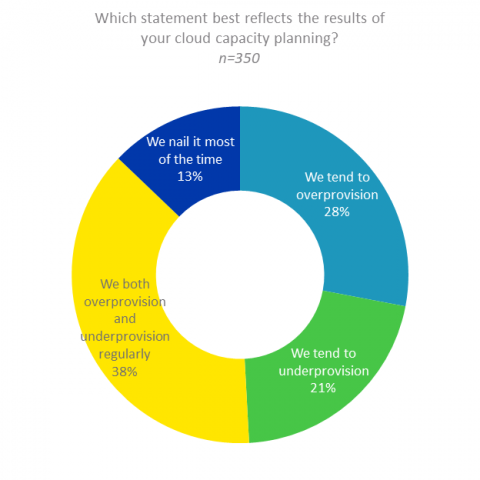
The goal of capacity planning is to match resources with demand. There are essentially three outcomes from this analysis. You can underestimate the resources you need (underprovision), which can hurt performance. You can overestimate (overprovision), which adds unnecessary costs. Or you can get it just right (rightsized). And, of course, you want to be rightsized at the lowest possible cost. Because many factors go into cloud capacity planning, it can feel like more of an art than a science.
Most SRE teams eventually reach a point in their existence where they appear unable to meet all the demands placed upon them. This is when these teams may need to scale. However, it's important to understand that increasing team capacity is not the same as increasing the number of people on the team. Let's unpack what scaling a team is all about, what are the indicators, what are steps you can take, and how you know if you're done.
In the era of cloud-native development, as businesses rely on a growing number of software tools to enable agile application delivery, platform engineering has emerged as a crucial discipline for building the technology platforms that drive DevOps efficiency. In this blog post, we explain the growing importance of platform engineering in high-performance DevOps organizations and how platform teams enable DevOps efficiency, agility, and productivity.
If you’re part of a software engineering team in digital health, medtech, medical devices, Software as a Medical Device (SaMD), etc. you have to comply with regulatory standards. And one of the biggest challenges engineering leads have in this sector is figuring out what they have to do to achieve software delivery compliance.