The latest News and Information on DevOps, CI/CD, Automation and related technologies.
Ah, the romance of the railroad. Conductors shouting “all aboard”, watching the countryside whizz by, dining cars and sleeper cars, boxcars, the Orient Express, bullet trains, chasm-spanning bridges, the clickety clack of the rails, clang clang at the crossings, and the engineer waving from the caboose. As we near the two hundred year mark of the first passenger train in 1825, we can observe that railways, our oldest modern means of mass transportation, are as strong as ever.
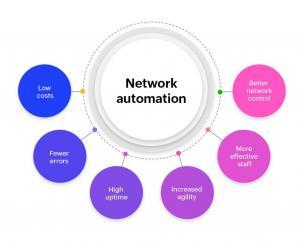
“Automation applied to an inefficient operation will magnify the inefficiency.” – Bill Gates A network, as we all know, is the connection of multiple devices to share information between them. While it’s a major task to manually manage every device connected to a network, a software-based feature called network automation can be utilized to help overcome this challenge.
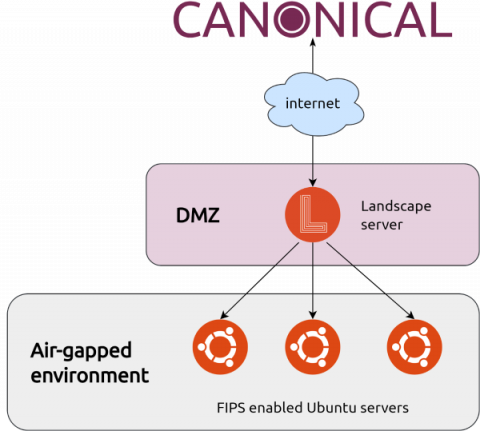
Many US military, government or critical national infrastructure organisation workloads that require FIPS compliance are also required to be deployed in air-gapped environments to provide an extra layer of protection.
Typically, Infrastructure-as-Code or IaCs have had their own languages to learn. For example, if leveraging Terraform most likely you came across Terraform’s native syntax, HCL. Though as software engineers we might be more familiar with other languages of choice. Using a general-purpose computer language vs a provider level syntax does unlock the power of the language; anything you can do in the computer language potentially can be additional methods, calls, etc.
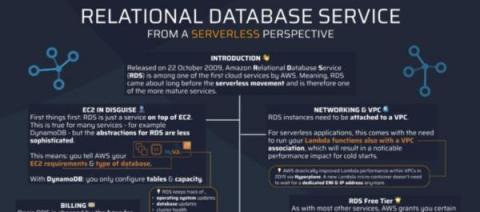
In this article, we’ll deep dive into all the basics to help you decide if AWS RDS is the right decision for your architecture and help you hit the ground running if you do end up AWS RDS. For many decades now, relational databases (RDS) have been the place to store your data. They are pretty flexible often use some kind of SQL dialect, which is one of the main languages taught in computer science classes, and widely understood by the average developer.