Scaling Techqueria with Sentry's Open Source Grant
In March, we awarded Sentry’s Open Source Grant to Latinx non-profit Techqueria. Here’s a look at their progress, six months later.


The latest News and Information on Monitoring for Websites, Applications, APIs, Infrastructure, and other technologies.
In March, we awarded Sentry’s Open Source Grant to Latinx non-profit Techqueria. Here’s a look at their progress, six months later.
A few months ago, LogicMonitor was certified to the ISO 27000 standards for Information Security management, so I thought I’d take the opportunity to write a bit about our efforts to build our information security certification program as well as our own best practices for secure use of the LogicMonitor platform.
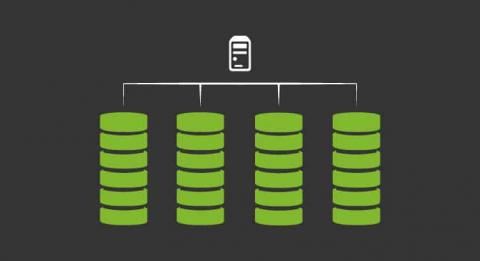
What is raid? Do you want to find out? The term RAID is related mostly to those components of our computers that allow us to store information and get our computer up and running properly.. What would we do without hard drives? Well… In this article we are going to learn what a RAID is and some of the types of RAID that exist. Let’s go!
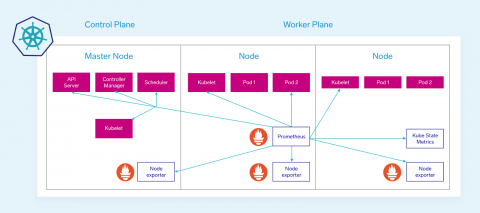
Now that we understand what machine data is available to us, how do we get to this data? The good news is that Kubernetes makes most of this data readily available, you just need the right tool to gather and view it. The solution we will discuss here heavily utilizes open source tools for collection and data enrichment because of their deep integrations and overwhelming community support.
The software development life cycle (SDLC) started to become a formalized process for software development in the 1960s. That’s pretty much when software systems started to exist. With its loosely defined development phases, the SDLC has become a software development term that gets a lot of people talking. The SDLC, however, is more of an acronym packed with meaning than a specification or framework for software development.
As a typical Internet user, nothing is more frustrating than waiting for a web page to display, only to receive a “Page Not Found” 404 error status code. Sure, we try reloading the page, and sometimes that gets the gremlins to start working, but most times, the issue is out of our hands. For all of us typical users, we either go onto the next thing or find a different site. There’s a lot going on in the background that most of us are completely unaware of.
The Java Virtual Machine (JVM) dynamically manages memory for your applications, ensuring that you don’t need to manually allocate and release memory in your code. But anyone who’s ever encountered a java.lang.OutOfMemoryError exception knows that this process can be imperfect—your application could require more memory than the JVM is able to allocate.
Have you ever been frustrated that your warnings and opinions on technical debt are going unheard? Or you’ve felt pushed to deploy code and software updates that are either not ready, or will cause your team more headaches than other stakeholders appreciate? You’re not alone. Whether you are building an early-stage startup or working at a vast 20-year-old monolith, technical debt mounts as you make changes and deploy new functionality.
Grafana 6.4 comes with a lot of new features and enhancements backed with tons of work around the data models and query execution that is going to enable powerful future capabilities. Some of those new capabilities can already be seen in this release, like sharing query results between panels.