Operations | Monitoring | ITSM | DevOps | Cloud


The latest News and Information on Monitoring for Websites, Applications, APIs, Infrastructure, and other technologies.

SOS - Don't Let a Microsoft Outage Drag You Down
You are at your desk, when all of a sudden there seems to be a hum that is growing louder, your heart starts to pound and you quickly realize that you might be in the midst of another Microsoft outage. You know that right now, Microsoft is your organization‘s core workforce engine and the backbone to ensure productivity - any outage or decrease in service quality can cause widespread productivity declines.

Now is the time for Sumo!

How Wix Monitors Mobile Apps using Sentry

Top VMware Horizon Performance Challenges for VM Administrators
Over the last year, most organizations have deployed or expanded digital workspaces to support employees working from home. One of the most popular technologies for digital workspaces is VMware Horizon. In this blog, we discuss the top performance challenges that administrators of VMware Horizon deployments have to tackle.

How To - Improve Your Secure Web Gateway Rollout With Endpoints
The principles of network security didn’t change overnight, but our abrupt transition to a remote workforce dismantled traditional concepts of how we secure our network. Offices were designed for people to access their resources on-site or through a few well-defined locations; security took the form of inline firewalls, web gateways, and VPNs that were routed through a datacenter or other resource hub.
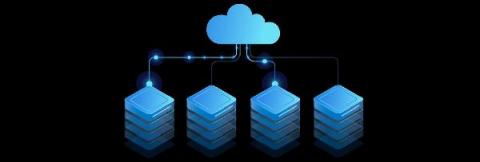
Is the Data Center Dead?
Hybrid IT is here to stay. As companies are moving to the cloud faster than ever, fueled by necessity during the pandemic, enterprise IT organizations must determine how to shift operations accordingly. Managing highly-distributed, multi-cloud IT environments is the new norm.

7 Best Network Infrastructure Mapping Tools

Performance Monitoring for Android Applications
Android is arguably the most ubiquitous operating system in the world. Whether it’s a tablet, phone, folding phone, computer, TV, or IoT device, chances are you’ve interacted with Android OS. And to help developers get full visibility into how their customers experience Android’s myriad applications, we’re extending Performance to Android.