Operations | Monitoring | ITSM | DevOps | Cloud

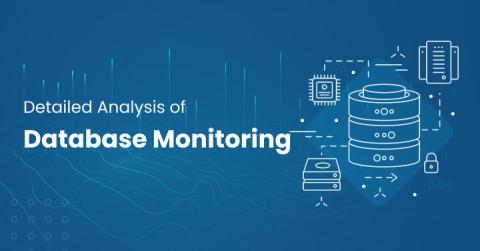
Database Monitoring Explained - A Comprehensive Guide

Ensuring all operations are normal and all data is guarded in the firm’s IT structure is vital. Regularly checking out various aspects that indicate the performance of the database makes it easier for management to identify issues that may have gone out of hand through database monitoring.

Experience Analysis - The Foundation of DEX

Optimal productivity requires an employee's ability to accomplish their tasks and processes in as efficient a manner as possible, with a minimum of “digital friction”. To minimize employee digital friction, you must understand the complete employee experience situation - where the opportunities are for improvement, how to identify and replicate best-practices, and where to focus for optimal impact.

Python Logs: What They Are and Why They Matter

Imagine living in a world without caller ID, which is easy if you grew up in the “late 1900s.” Every time someone called, you had a conversation that followed this pattern: Hi! Who’s this? It’s Jeff! Hi Jeff! How’s it going? Today, most people already know who’s calling when they answer the phone because caller ID is built into smartphones and communications apps. As a developer, your Python logging is your application’s caller ID.

Want a Fast-Loading Website? Here's How to Make It Happen

In 2021, Vodafone launched a strategy to improve its sales through landing page A/B testing. Both pages looked and functioned identically, but one was optimized for page speed. The optimized page, which had a 31% better Largest Contentful Paint (LCP) than the other, scored 8% higher in sales. These results echoed findings by Propellernet the previous year. They discovered that mobile sites with faster-than-average total load times were 34% more likely to convert.

Top Features to Look for in Enterprise Incident Management Software

Are you tired of dealing with unexpected system crashes and the chaos they bring? You're not alone. For enterprise SREs, DevOps, and IT Operations teams, mastering incident management goes beyond just fixing problems; it’s about preventing them. According to a recent report, incident volume within enterprise companies rose by 16% during 2023, highlighting the growing complexity and risk in digital operations. This underscores the urgent need for robust incident management solutions.

Fixing Dependent Column Issues With dbForge Data Generator

Users should maintain data consistency to ensure accurate database testing and analysis, especially when generating data in dependent columns. For example, they can use formulas, data generators, or post-scripts to fill in columns based on other columns in the table. However, post-scripts may be complicated and affect database performance. In the article, we’ll explore how to generate values for the referenced columns using dbForge Data Generator for SQL Server.

How to Mass Update Records in Salesforce Using Excel Add-Ins

Manual updating of Salesforce records is far from optimal. If you have ever worked with this CRM, you should know it requires you to find the exact record you want to edit, and only then you’ll be able to change data in its fields. This is fine when you work with separate records, but what if you need to mass update records in Salesforce? If done manually, such an update might eventually lead to errors and consume time.
Sponsored Post

What Customers Love About Exoprise

At Exoprise, we always listen to customers' input and ensure they have the best experience possible. Our customer success, support, and engineering teams have been hard at work, collecting this feedback and insights to identify the functionality and features loved by our customers. Today, we'll be sharing the top five favorites that have been brought to our attention in recent conversations. These features, some well-known and widely used, to some more powerful yet lesser-known functionalities. Whether you're new to Exoprise or a seasoned user, you may discover something new and valuable.
Sponsored Post

Benchmarking OpenAI models for automated error resolution

Large Language Models (LLMs) are increasingly shaping the future of software development, offering new possibilities in code generation, debugging, and error resolution. Recent advancements in these AI-driven tools have prompted a closer examination of their practical applications and potential impact on developer workflows.