Operations | Monitoring | ITSM | DevOps | Cloud

Simplify OpenTelemetry Pipelines with Headers Setter

In telemetry jargon, a pipeline is a directed acyclic graph (DAG) of nodes that carry emitted signals from an application to a backend. In an OpenTelemetry Collector, a pipeline is a set of receivers that collect signals, runs them through processors, and then emits them through configured exporters. This blog post hopes to simplify both types of pipelines by using an OpenTelemetry extension called the Headers Setter.
Azure Service Bus Monitoring and Alerting

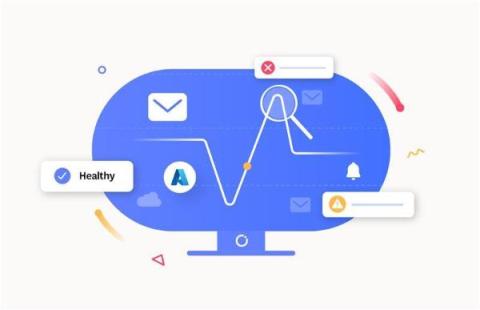
Microsoft Azure offers a cloud-based messaging service called Azure Service Bus. The goal is to streamline communication between disparate components or applications, regardless of whether they are distributed across multiple environments and locations or operating on the same Azure platform. With Azure Service Bus, you can develop distributed systems that are scalable, reliable, and decoupled.

A Year in Review - And What's in Store For InvGate in 2024

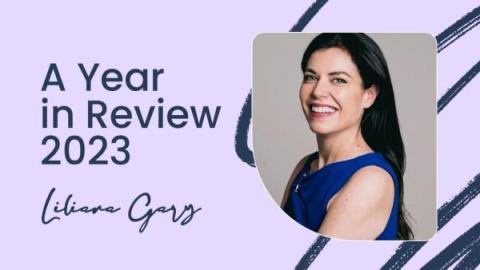
We come to the close of yet another year, and as every year we take stock of our triumphs and learnings. The rapid pace at which 2023 has unfolded is almost surreal, like it went by too quickly but at the same time left a huge amount of lessons and accomplishments. As I pause to reflect on this transformative year for InvGate, a sense of immense pride and optimistic anticipation for the future washes over. Indeed, 2023 has been a remarkable year for InvGate.

Solving Common System Center Orchestrator Problems

Sometimes, when building Runbooks in Orchestrator, it can feel like you’ve hit a dead end with no way to achieve the functionality or automation you require. For newer users, Orchestrator can be daunting because it is a completely blank canvas; there are no sample runbooks included or out-of-the-box automations. In addition, with a shift in focus to cloud automation, there is limited guidance and ‘how to’ advice available to help users.

Captains Log: A first look at our architecture for Signals

Welcome to the first Signals Captain’s Log! My name is Robert, and I’m a recovering on-call engineer and the CEO of FireHydrant. When we started our journey of building Signals, a viable replacement for PagerDuty, OpsGenie, etc, we decided very early that we would tell everyone what makes Signals unique, and what better way than to tell you how we’re building it (without revealing too much 😉). Let’s jump in.

As APIs grow in strategic importance to banks, focus turns to modern API monitoring tools

Banks are putting a fresh set of eyes on how they are using APIs to drive better business outcomes and deliver more value to their customers. This is a relatively new departure toward adopting digital transformation of key operations. Financial organizations are traditionally known for favoring conservative business models that often resist modernizing complex legacy systems or rapid change in product and service offerings. This has been changing rapidly as APIs become more prevalent.

Resolving VPN Issues Without Manual Intervention: Qualcomm Incorporated and Nexthink Flow

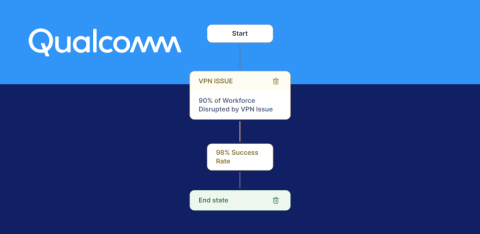
VPN issues are easily some of the most common digital workplace problems to plague end user computing (EUC) teams. When the VPN crashes or falls out of compliance, it can have a disproportionate impact on employee experience. Monitoring and managing VPN performance is a top priority for many of our customers – including Qualcomm Incorporated. Qualcomm had a known VPN issue taking place in their environment impacting 90% of their workforce.

The importance of Azure Active Directory integration with Hector

Optimisez la gestion des accès au sein de votre organisation en simplifiant la complexité grâce à Azure Active Directory. Découvrez comment l‘intégration avec Hector peut renforcer la sécurité et l’efficacité pour atteindre vos objectifs commerciaux.

Grafana panel titles: Why we changed from center to left-aligned

As Grafana evolved over the years, so did our panel headers. In our quest for improvement, we continually added design options that created more comprehensive panels, but also an increasingly complex interface. It was a process of continual adaptation without a roadmap — which, though well-intentioned, began to result in unforeseen challenges.