When it comes to mobile device management versus modern device management, they may sound similar, but there’s a significant degree of difference between them. The explosive growth in these devices within enterprises makes it crucial for organizations to choose the right platform for overseeing them.
In a world where efficiency and precision are the cornerstones of progress, automation has become the unsung hero across diverse industries. From manufacturing floors to customer service, its transformative power has reshaped the way we work and deliver services. Today, we embark on a journey to explore the profound influence of automation on healthcare, where each automated process is a progressive step towards optimizing care delivery and reshaping the future of patient-centered care delivery.
Incidents put systems and organizations to the test. They pose particular challenges at scale: in complex distributed environments overseen by many different teams, managing incidents requires extensive structure and planning. But incidents, by definition, break structures and foil plans. As a result, they demand carefully orchestrated yet highly flexible forms of response. This post will provide a look into how we manage incidents at Datadog. We’ll cover our entire process.
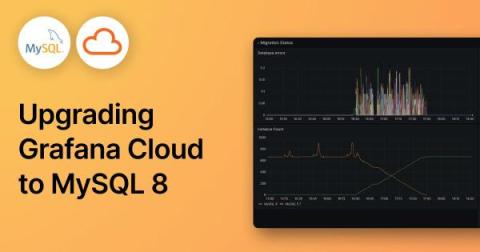
Starting around June this year, we upgraded our Grafana databases in Grafana Cloud from MySQL 5.7 to MySQL 8, due to MySQL 5.7 reaching end-of-life in October. This project involved tens of thousands of customer databases across dozens of MySQL database servers, multiple cloud providers, and many Kubernetes clusters.
Welcome to our 2nd blog in our series on how to securely consume Open Source Software (OSS). Attacks targeting OSS are on the rise, making the security of your software supply chain a top priority. The 1st blog gave an overview of some of the most common types of attacks. Today we’ll explore the Secure Supply Chain Consumption Framework (S2C2F) that can help you mitigate against these attacks.
In this conversation, Sanjay Shrestha, Principal Detection Engineer at Bayer, and Raanan Dagan, Principal Sales Engineer from Cribl, talk about the integration of Git in Cribl Stream. They discuss how to manage configuration files and pipelines as code, simplifying their deployment. They also share a demo and give best practices for optimizing your GitOps workflow. In the 10+ years that Bayer has worked with Splunk, they’ve gone from processing just 80 GB/day to more than 13 TB/day.