Operations | Monitoring | ITSM | DevOps | Cloud

Everything to Know About Server Management Software

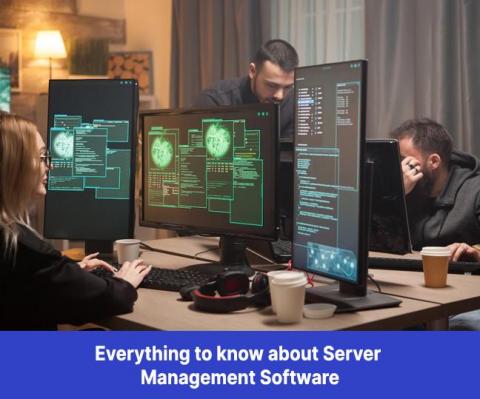
With technologies like multi-cloud environments fueling the growth and operations of all global businesses, these servers must remain in their best possible condition. Businesses have moved towards automating the performance monitoring of their system health through dedicated software called Server Management Software. Server management software helps businesses optimize their existing IT infrastructure.

Major Difference Between Active Vs. Passive RFID for Location Tracking

RFID has been used for asset tracking for a long time, especially those organizations which are asset-intensive. RFID technology is used in the form of a tag or label. Although there are two types of RFID that are Active RFID & passive RFID. In this blog, we will know what the difference between Active and Passive RFID is & which one is a better option for your business. So, let us begin!

You have more ways to bake this cake: Bring your own Enterprise Search connector

The Elastic Enterprise Search team is working on an exciting new project: Elastic Enterprise Search Connectors framework. It appeared in version 8.2 as a Technical Preview, and it has been significantly expanded in 8.3. Elastic Enterprise Search, and specifically Workplace Search, is a solution that helps harness the power of Elasticsearch to search over company documents.

What is Transmission Control Protocol (TCP) and How it works?

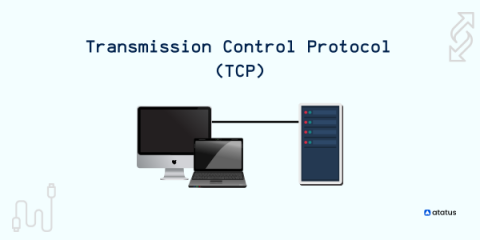
The Transmission Control Protocol provides reliable, ordered and, sometimes, time-sensitive data flow between applications across a network. As well as economizes network use by attempting to improve error-handling capability and providing reliable data transmission. The Transmission Control Protocol is the underlying communication protocol for a wide variety of applications, including web servers and websites, email applications, FTP and peer-to-peer apps.

DevOps Best Practices for Database

DevOps has been bridging the gap between the development and operations teams for more than a decade. It is eliminating the organizational barriers between the two and automates the delivery process. It's time to start treating databases the same way we treat the delivery pipeline when applying DevOps. When we have a large database, automation is crucial. When the database has too much information, changing a table can take ages and block further changes like inserts, updates, or deletes.

7 Patch Management Best Practices

Patch management best practices ensure we do patch deployment effectively and in time to prevent significant data losses, cybersecurity attacks, and other risks when the software is not updated. Patch management is an essential part of IT Asset Management. In short, it consists of distributing and applying updates or software patches. It should be a well-established and thorough process to handle any vulnerability and other issues. This article will discuss these best practices.

TL;DR InfluxDB Client Libraries

InfluxDB is very powerful for working with time series data, but learning to use any new tool can be intimidating. The fear of a steep learning curve can delay or even prevent people from using new tools that would ultimately make things easier and more efficient. Fortunately, InfluxDB has over a dozen client libraries so you can work with InfluxDB using a language you already know.

On Counting Alerts

A while ago, I wrote about how we track on-call health, and I heard from various people about how “expecting to be woken up” can be extremely unhealthy, or how tracking the number of disruptions would actually be useful. I took that feedback to heart and wanted to address the issues they raised, and also provide some numbers that explain the position I took with these metrics on alerts.

How continuous profiling can help track resource usage, reduce latencies, and more

In 2019, Polar Signals Founder and CEO Frederic Branczyk predicted that continuous profiling would be the future of observability. Today, he’s making that future a reality with his open source continuous profiling tool, Parca. In this episode of “Grafana’s Big Tent” podcast, our hosts Matt Toback and Tom Wilkie chatted with Frederic about how he got his start in the continuous profiling world and how he’s built an active open source community around Parca.