The latest News and Information on Managed Service Providers and related technologies.
Back in January, the Cybersecurity and Infrastructure Security Agency (CISA) issued an advisory notice specifically talking about RMM providers being targeted by cybercriminals. We’ve known that as a group we’ve been a target for a few years, with the bad guys continuing to look at the RMM solution providers as a route into small businesses, because there are still dollars to be made there.
I’m hearing a lot of talk around the industry about M&A slowing down. However, the reality I’m seeing is that while the initial landgrab may well have blown over, the change in the cost of borrowing is forcing MSPs that are looking to grow by acquisition to think much more strategically. Instead of doing multiple acquisitions in a year, these companies and their PE backers are doing a smaller number of very strategic, larger acquisitions.
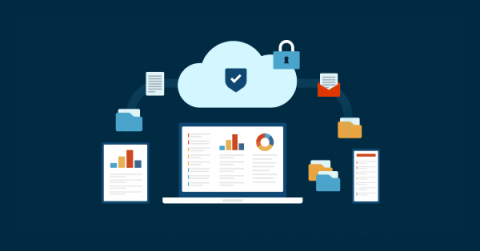
In this day and age, reliable data backups are essential for the success of every business or organization that uses technology. There are many effective data backup software solutions that you can rely on to keep your data safe. However, when it comes to choosing a provider to safeguard critical data, organizations don’t want “good” options; they want the best. As you search for a new provider, reference this list of the best backup software for businesses in 2023.
IBM reports that the global average total cost of a data breach in 2022 was $4.35 million. Data breaches are rising each year, with an ever-increasing cost, so it’s absolutely essential to be prepared and proactive in your data protection strategy. When clients provide personal or business data to an MSP, they expect the provider to have proper policies and procedures in place to protect that data.
As more and more organizations undergo digital transformation, IT automation is becoming more important and essential to implement. A report by Smartsheet found that more than 40% of those surveyed spend about a quarter of their time working on repetitive tasks, and almost 70% of them say that automation’s biggest opportunity would be that it significantly reduces the amount of time spent on these tasks.
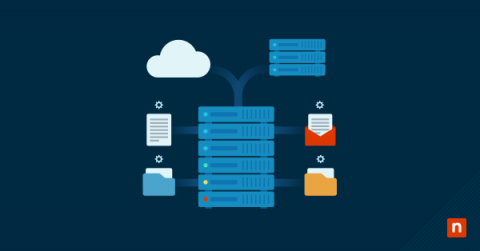
Endpoint management is critical for IT teams. In a SANS survey they found that 44% of IT teams manage anywhere from 5,000 to 500,000 devices. With so many devices, it can be challenging to keep track of the health and status of each individual endpoint. So how can IT teams ensure that organizational endpoints continually contribute to the company’s success? Endpoint lifecycle management is a valuable process that can enable your team to achieve this.