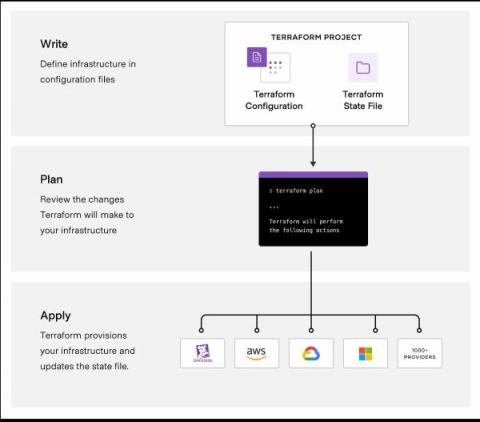
Cloud infrastructure has been on the rise for the last decade. As it's adoption grows, so has the complexity of managing infrastructure, becoming more complex and more prone to user mistakes. This led to a new wave of tools in the Infrastructure as Code (IaC) space that aim to tackle this issue by treating your infrastructure as you would any other piece of software.
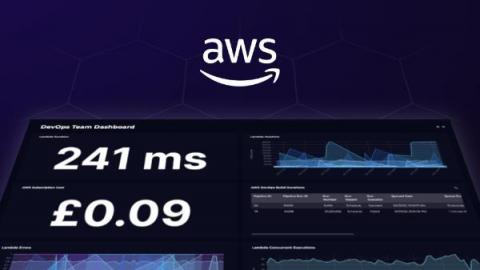
Looking to keep an eye on logs and metrics from AWS or CloudWatch? There are several reasons you might want to build a CloudWatch dashboard somewhere outside of the CloudWatch console: Whatever the reason, we’ve put together a write-up to help you plug into CloudWatch to surface any logs or metrics in one place, for easy alerting and sharing, using the SquaredUp observability portal. You can get your own SquaredUp account, just head over to squaredup.io/get-started to sign-up for a free account.
Moving workloads to the cloud has many benefits, and one that is often overlooked is the opportunity to modernize your network. In a traditional “perimeter-based” architecture, users and devices are authenticated and authorized on a device-by-device basis when connecting remotely via VPN.
You will have seen the Nastel Messaging Middleware Performance Benchmark Report comparing the performance of the commonly used messaging middleware platforms – IBM MQ, RabbitMQ, Apache Kafka, ActiveMQ Classic, ActiveMQ Artemis, TIBCO EMS, and Apache Pulsar. Nastel produced this using its CyBench performance benchmarking technology. StreamNative has also produced its own benchmark report focused on comparing Apache Pulsar vs. Apache Kafka using the Linux Foundation Open Messaging benchmark.
A real-time system responds to events within a specified deadline. If the timing constraints of the system are unmet, failure has occurred. In the kernel context, real-time denotes a deterministic response to an external event, aiming to minimize the response time guarantee.
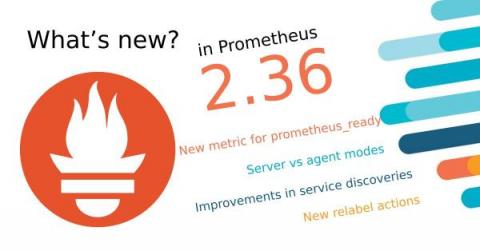
In this article, we will analyze some new features and the impact they might have on the Prometheus community. Here’s our editor’s pick.
Logging is essential to application development. Logs provide exhaustive, robust information that is useful for tracking all the changes made to an application's code. PHP logs help you track the performance of the method calls within your application, the occurrence of a particular event, and the errors in your application. With proper PHP logging techniques, you can track and optimize an application's performance.
For developers who’ve created their own instrumentation with the Java Agent plugin, the next phase of the process is regression testing. By performing regression testing, you can ensure that your plugin functions the way it’s supposed to after you’ve made code changes or updates. You’ll have your own plugin, but to illustrate regression testing in this article, I’ll use the plugin in our example repo.