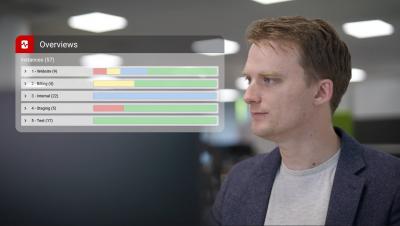
At incident.io, we’re continually building out our integrations to work with all the tools you already know and love. Next on the list, is our first bug tracker, Sentry. Try posting a Sentry link on your next incident to check it out.
InfluxDB is very powerful for working with time series data, but learning to use any new tool can be intimidating. The fear of a steep learning curve can delay or even prevent people from using new tools that would ultimately make things easier and more efficient. Fortunately, InfluxDB has over a dozen client libraries so you can work with InfluxDB using a language you already know.
A while ago, I wrote about how we track on-call health, and I heard from various people about how “expecting to be woken up” can be extremely unhealthy, or how tracking the number of disruptions would actually be useful. I took that feedback to heart and wanted to address the issues they raised, and also provide some numbers that explain the position I took with these metrics on alerts.
In 2019, Polar Signals Founder and CEO Frederic Branczyk predicted that continuous profiling would be the future of observability. Today, he’s making that future a reality with his open source continuous profiling tool, Parca. In this episode of “Grafana’s Big Tent” podcast, our hosts Matt Toback and Tom Wilkie chatted with Frederic about how he got his start in the continuous profiling world and how he’s built an active open source community around Parca.
Chaos Engineering, where engineers intentionally inject failure to test the reliability of their systems, is becoming a regular practice for companies who value uptime and availability. As cloud-based systems have grown more complex, Chaos Engineering has become a critical part of the software testing and release process to uncover surprise dependencies, fix problems before they become 3am outages, and bake reliability into every feature.
Just like insurance, a tool that helps you to monitor the quality of your Microsoft Teams service covers you against the issues that IT teams face everywhere. You can’t afford to have downtime in your business, so you need a way to keep yourself protected.