Operations | Monitoring | ITSM | DevOps | Cloud



Now Platform Quebec release boosts employee experiences for the new era of work
The world of work looks vastly different than it did one year ago. Where we work and how we work have been decoupled and many of these changes are here to stay. Creating a great employee experience has become a key competitive differentiator and extends beyond HR into legal, workplace services, and more.
New ServiceNow industry solutions strengthen operations and drive growth
This week marks one year since ServiceNow sent employees home to shelter in place. During that year, the world changed and the demands and expectations of our customers forever changed with it. I’m proud that ServiceNow was there to help our customers survive and thrive.
Welcome to the Quebec release!
The COVID-19 pandemic accelerated digital transformation, forcing companies to adjust how and where they work. With today’s introduction of the Now Platform Quebec release, ServiceNow is delivering new innovations to help businesses power through the pandemic and thrive in the new era of distributed work.

How we're gradually evolving to a new Uptrends
You might’ve noticed that things are looking a bit different in your account lately. We’ve been gradually rolling out updates to your dashboards and menus over the last months, and we will continue to improve the coming period. With these updates, we are upgrading the way you interact with Uptrends, so you can find stuff faster and visualize your data more easily.
Ransomware in 2021: What has changed? Detection and mitigation strategy
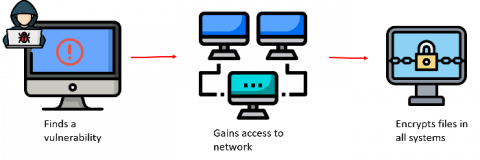
A ransomware attack is a bug that we can’t shake off. Or perhaps, it can even be called a shape-shifter that somehow finds a way into networks, no matter how many armed sentries you’ve deployed in and around your perimeter. The line between ransomware and a data breach is slowly fading. Threat actors prefer ransomware over other modes of attack because they work.

How AI Will Give IT Professionals Their Time Back
Monitoring Locations Update
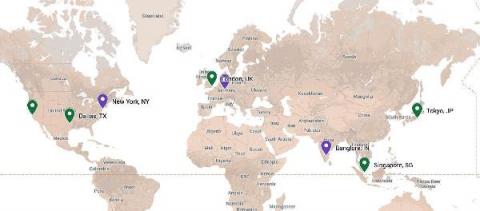
Since June 2020, when we launched the new Monitive, we have the same monitoring network of 8 locations. It’s time to expand. The current locations are VPS servers from DigitalOcean and Linode. I like to mix it a bit, so that we don’t rely on a single provider, but not too much, since the administrative overhead of managing dozens of providers is another lesson learned in 10 years of uptime monitoring.

How to Reduce Bandwidth Consumption for Your Network?
Do you know who interacts with whom, when, and for how long and how frequently in your network? Network administrators must have clear visibility of bandwidth utilization using a robust bandwidth monitoring tool, to find out slow loading yet crucial connections, to plan out the capacity of network properly or to control the Quality of Service.

Powerful Caching with Redis for Node.js Applications
Regardless of the tech stack used, many developers have already used Redis or, at least, heard of it. Redis is specifically known for providing distributed caching mechanisms for cluster-based applications. While this is true, it’s not its only purpose. Redis is a powerful and versatile in-memory database. Powerful because it is incredibly super fast. Versatile because it can handle caching, database-like features, session management, real-time analytics, event streaming, etc.