Mailchimp
Not subscribed to OpsMatters Newsletter


In a fast-evolving world, adopting a hyperautomation strategy is the best way to future-proof your workplace. But how does hyperautomation affect your workforce, and what will it mean for the future of your business? Hyperautomation is the combination of intelligent technologies to expand automation. It incorporates AI, machine learning, robotic process automation (RPA), integration, document processing, and more.
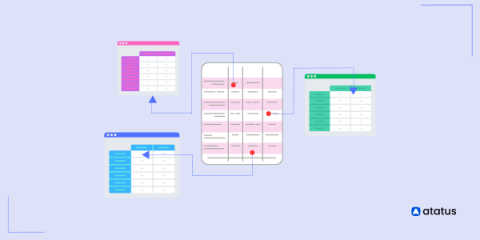
Indexes serve as the key to unlocking the immense potential of relational databases, enabling swift and optimized data access. They act as a roadmap, allowing the database engine to locate specific data quickly, ultimately enhancing query performance. Understanding the nuances of indexes and employing the appropriate indexing techniques can significantly impact the efficiency of a database system.
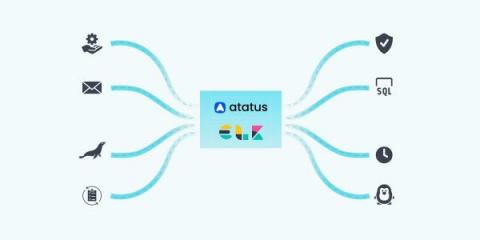
In the realm of Linux system administration, monitoring log files is essential for maintaining a healthy and secure environment. Linux distributions generate a multitude of log files that capture crucial information about system events, errors, and user activities. These log files act as a silent witness, providing valuable insights into the inner workings of a Linux system.
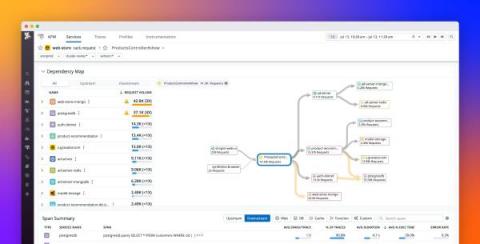
Visibility into the upstream and downstream dependencies of your services is key to maintaining a performant microservices environment. Application developers and SREs rely on this visibility to quickly trace issues back to the source, which is essential during incidents—when time is of the essence—throughout day-to-day operations, and as systems evolve and scale.
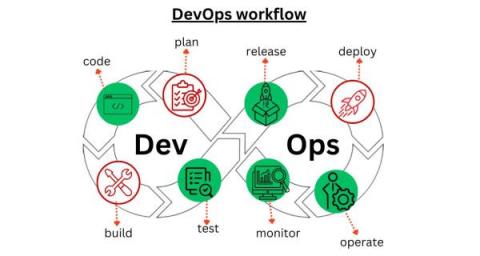
In software development, GitOps and DevOps are prominent techniques for enhancing collaboration and automating software delivery processes. While these two models aim to improve the efficiency of the software development life cycle, they differ in their core principles and implementation.
The PagerDuty Operations Cloud is your platform for action in critical moments. By harnessing the capabilities of AI and automation, it has the ability to detect and diagnose disruptive incidents, assemble the appropriate team members for prompt response, and optimize your digital operations by streamlining infrastructure and workflows.