Mailchimp
Not subscribed to OpsMatters Newsletter


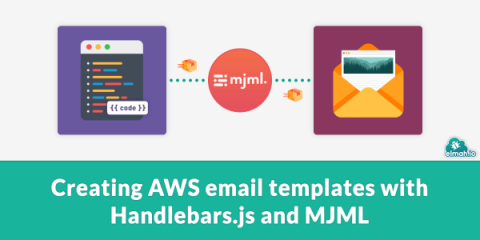
In the next two posts (maybe more) I'll share how we have developed elmah.io's email templates currently sent out using Amazon Web Services (AWS). This first post will introduce template development using MJML and Handlebars.js. In the next post, I'll explain the process of building them on Azure DevOps and deploying them to AWS.
Imagine being one of the world’s largest banking institutions and experiencing a critical severity security incident that affects millions of customers and billions of dollars. Now imagine it takes 20 minutes from the first notification to log a response and track down all relevant information from a variety of global systems just to understand the context and nature of the incident.
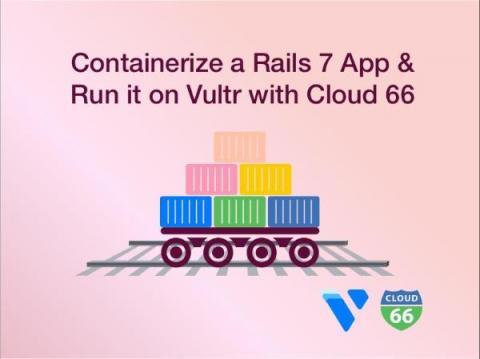
To celebrate a 3-year integration anniversary between Cloud 66 and Vultr we’re showcasing some of the changes and improvements that we have implemented in both of our platforms. To show how well our platforms work together, we’re taking a Rails 7 application sample and walking you through how to containerize and deploy that application on Vultr with Cloud 66.
When you sign into the Roblox platform, you get 30 million immersive experiences, ranging from concerts to fashion shows to, of course, video games. But when the observability team at Roblox logs on, they’re not playing around. The Roblox observability engineers are responsible for keeping more than 214 million monthly users happy and engaged by making the wildly popular gaming platform highly available around the world.
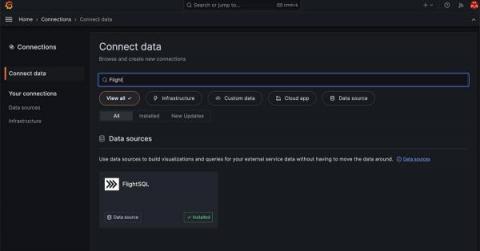
Today we have exciting news for Grafana customers with Flight SQL data sources: Now there is a new community plugin available for Grafana that allows it to communicate with Flight-SQL-compatible databases. Flight SQL is a client-server protocol developed by the Apache Arrow community for interacting with SQL databases. It utilizes the Flight RPC framework and the Arrow in-memory columnar format.
Separate “debug” and “release” builds are very common in embedded development. Typically the notion is improved debug capabilities (less aggressive compiler optimizations, more debugging information like logs) vs. highly optimized and hardened production release builds. I’m here to describe disadvantages to this practice, and why it might make sense to consolidate to a single build! Like Interrupt? Subscribe to get our latest posts straight to your mailbox.