Mailchimp
Not subscribed to OpsMatters Newsletter


In 2023, the fight to retain customers will be one of the biggest factors determining whether a business can survive the recession all are predicting. One of the key findings from the 2022 State of Service Report from Salesforce is that great service is at the heart of customer retention: 48% of customers will switch brands for better customer service when something goes wrong, and they view open communication as a key factor in how a customer might gauge the quality of customer service.
January has always been a time when we look back at the previous year and ask ourselves ‘What could I have done differently?’. This can often then lead us on to setting some new year’s resolutions, which we hope will make the coming year much better. Sadly, for many of us these have fallen by the wayside come February.
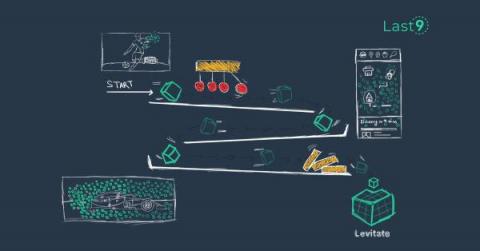
With the growing adoption of remote and distributed application development including micro-services, cloud-native applications, serverless, and more, it is becoming challenging more than ever before for developers to troubleshoot issues within a reasonable time, and that is a bottleneck. That in a sense contradicts the objectives of Agile and DevOps through fast feedback loops, continuous delivery, quick MTTR (mean time to resolution of defects), etc.
The foundation of software development is rooted in the handling and preservation of data in compliance with the goals of the application. The core of any software program is the information stored in databases that is used for retrieval and manipulation. To ensure that the chosen database system (whether SQL or Non-SQL) is suitable for the needs of the application, it’s important to conduct tests to evaluate its capabilities.
Managing your own time series database is painful. We’ve moved from servers to services, and yet, monitoring metrics data is primitive. Our managed time series database powers mission-critical workloads for monitoring, at a fraction of the cost.