Mailchimp
Not subscribed to OpsMatters Newsletter


This is a guest blogpost from Linuxfabrik At Linuxfabrik we have been developing a collection of currently 130+ plugins for Icinga, Nagios and other compatible monitoring systems for more than two years now. Each of these plugins is a specialized command line tool written in Python.
I joined incident.io recently to lead Sales, after having set up my own company. In both startups, one of the first questions I’ve landed on was: “What sales tools should we use as we scale?”. In this post, I’ll walk through our sales stack, and by extension, what I think most B2B SaaS startups can get away using when they have less than ~100 employees.
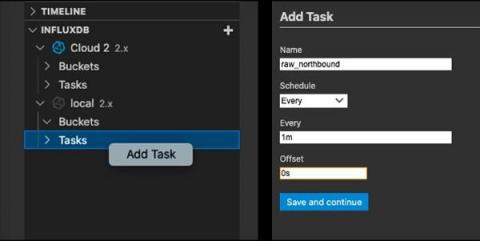
InfluxDB is increasingly being used in IoT solutions to store data from connected devices. Now it can also be used on IoT edge gateways as a data historian to analyze, visualize and eventually transmit aggregated IoT data up to a centralized server. In this article we’re going to look at three simple ways you can connect an instance of InfluxDB on your IoT Edge device to another instance of InfluxDB in the cloud.
Automation in the enterprise is nothing new. Engineers have been working with automation tools and frameworks for decades. From configuration management tools, to continuous integration and delivery pipelines to cloud formation, you name it—automation is part of the fabric of nearly any technology use case in the business landscape. If the previous statement is true, then why does automation still seem to pair with so much manual work?